
Using Vaginal Sonography for Treating Infertility
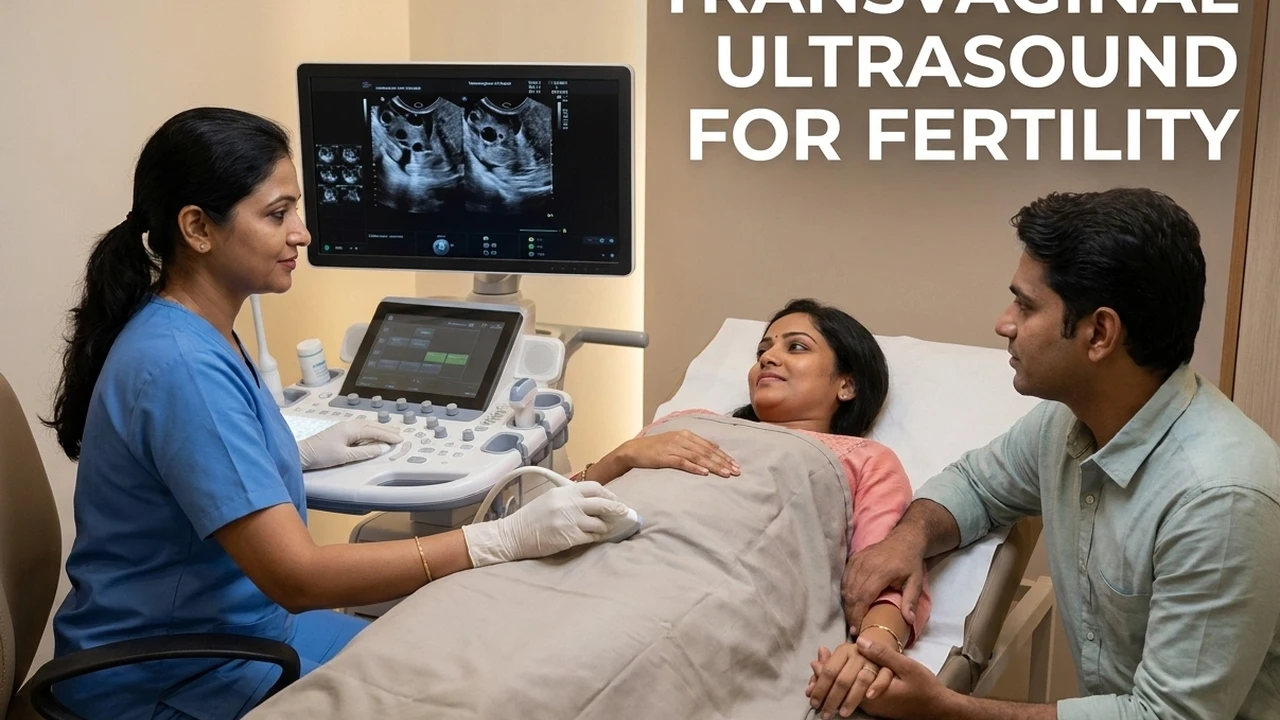
Have you ever found yourself sitting in a doctor’s office, heart pounding, wondering what tests could finally give you answers about why pregnancy is taking so long? If you feel lost in a maze of medical jargon, or worried about what comes next, you are not alone. Many couples facing infertility struggle with uncertainty, worry, and the quiet hope that a simple, clear test could unlock the mystery. At Malpani Infertility Clinic, we believe that understanding what is actually happening inside your body should not be mysterious or scary. That is where vaginal sonography, or ultrasound, quietly shifts the whole experience.
What recent advances have occurred in ultrasound?
How can ultrasound-guided procedures be used to treat infertility?
How Ultrasound Has Changed Infertility Care
For years, couples struggling with infertility often had to undergo complicated, uncomfortable, and sometimes risky procedures just to get a diagnosis. But ultrasound technology has quietly transformed this landscape, making it possible to “see inside” in a way that is gentle, fast, and surprisingly informative.
Today’s vaginal ultrasound, also called transvaginal sonography, uses harmless sound waves to generate clear images of your reproductive organs. The test is done right in the clinic. There is no radiation. There is no need for anesthesia. Most importantly, it gives both the doctor and the patient a real-time look at the uterus, ovaries, and sometimes even the fallopian tubes. This means less waiting, less worry, and more confidence that you are moving forward in the right direction.
Recent Advances: What’s New and What Really Matters
The field of ultrasound has leaped ahead in recent years. Let’s break down what that means for you as a patient:
- Tubal Patency Testing Without X-rays: Newer ultrasound-based tests, like sonosalpingography, allow doctors to check if your fallopian tubes are open. During this test, a harmless fluid is gently passed through your uterus, and the doctor watches in real time to see if it flows through your tubes. Unlike the classic HSG (hysterosalpingography), which uses X-rays, this test is radiation-free and can be done in the clinic.
- Better Views With 3D Ultrasound: Advanced machines can now create three-dimensional images of your uterus. This is especially valuable if there’s a concern about unusual uterine shapes (like a septate or bicornuate uterus), which can sometimes cause miscarriages or trouble getting pregnant. With 3D imaging, your doctor can tell the difference and plan the right treatment.
- Blood Flow Assessment With Doppler: Some ultrasounds now use special color Doppler features to visualize blood flow in your pelvis. This is still mostly used in research, but it may help doctors understand subtle problems that could affect implantation or egg quality in the future.
Even with all these advances, some situations still call for the “gold standard” tests, like HSG or laparoscopy, especially when a hard copy image is needed or when surgery might be considered. But for most couples, ultrasound is now the first and most comfortable step.
How Ultrasound-Guided Procedures Help Treat Infertility
If you have ever worried that every step in infertility care means another painful or invasive procedure, you will be relieved to know that ultrasound has made many treatments much simpler and safer. At Malpani Infertility Clinic, we use ultrasound to guide many procedures so that you get the best results with the least discomfort.
Moving from open surgery to ultrasound-guided techniques has made fertility care less scary, less painful, and much more hopeful for couples everywhere.
Here are some ways in which vaginal ultrasound is used not just for diagnosis, but also for treatment:
- Egg Pickup for IVF: During IVF, eggs need to be collected from the ovaries. Using vaginal ultrasound, the doctor can see exactly where the eggs are and gently guide a thin needle to retrieve them. This is done under mild sedation, takes less than 30 minutes, and you can usually go home the same day. The days of major surgery just to collect eggs are thankfully behind us.
- Ovarian Cyst Aspiration: Sometimes, fluid-filled cysts in the ovaries can cause pain or interfere with fertility. In the past, surgery was needed to remove them, risking damage to healthy ovarian tissue. Now, under ultrasound guidance, a needle can be inserted through the vagina to empty the cyst safely, often avoiding surgery altogether.
- Treating Ectopic Pregnancy: Early diagnosis of tubal (ectopic) pregnancy is now possible with ultrasound and blood tests. If caught early, the doctor can treat the problem by injecting medication directly into the pregnancy sac under ultrasound guidance, avoiding major surgery and preserving fertility.
- Advanced Transfers in IVF and GIFT: In certain cases, special catheters can be guided by ultrasound to place embryos or eggs directly into the fallopian tubes, giving them the best possible chance to implant.
- Tubal Blockage Treatment: For women with blockages at the beginning of their fallopian tubes (cornual blocks), ultrasound can help guide a tiny catheter into the tube to clear mucus plugs or debris, sometimes reopening the tube without surgery.
All these advances mean less time in the hospital, fewer complications, lower costs, and often a higher chance of success. Most importantly, they mean that you can focus on healing and hope, rather than fear and discomfort.
What Patients Really Want to Know
It is normal to feel anxious about tests and procedures, especially if you have had bad experiences before or have heard stories from others. Here is what we tell our patients at Malpani Infertility Clinic:
- Vaginal ultrasound is quick (usually less than 10 minutes), and most women say it feels like a routine internal exam. If you feel worried, your doctor will explain every step.
- There is no radiation. You can have this test done as many times as you need, even during treatment cycles, with complete peace of mind.
- Seeing your own ovaries and uterus on the screen helps you feel in control. You are part of the process, not just a bystander.
- If you are ever confused about what the scan means, ask to see the images and have your doctor explain. No question is too small.
Sometimes, couples come to us after months or years of being told “just relax” or “it will happen.” The reality is, solid information is powerful. When you know what is happening inside your body, you can make better choices, feel less helpless, and move forward with hope.
of infertility evaluations at Malpani Infertility Clinic use vaginal ultrasound as a first-line tool for diagnosis and monitoring, giving couples faster answers and safer care.
Why Choosing the Right Clinic Matters
Not all clinics use the same technology or have the same experience with ultrasound-guided procedures. At Malpani Infertility Clinic, we invest in the latest equipment and, more importantly, take time to explain your scans and results clearly. We know that the little things, answering your questions, showing you the images, giving honest advice, make a big difference when you are feeling vulnerable.
Every couple’s journey is unique. If you are feeling overwhelmed, or you just want advice on what steps to take next, consider reaching out to Dr. Malpani. Sometimes, a single honest conversation can change how you feel about the whole process.
Frequently Asked Questions
Q: What is the difference between vaginal ultrasound and abdominal ultrasound for infertility?
A: Vaginal (transvaginal) ultrasound provides clearer, more detailed images of the uterus and ovaries because the probe is closer to these organs. This makes it the preferred method for most fertility assessments.
Q: Is the vaginal ultrasound procedure painful?
A: Most women experience only mild discomfort, similar to a routine internal exam. If you are nervous, let your doctor know so they can make you as comfortable as possible.
Q: Will I need to prepare in any special way for the ultrasound?
A: Usually, no special preparation is needed. Sometimes, you may be asked to have a partially full bladder for certain scans, but your clinic will give you clear instructions.
Q: Can ultrasound alone diagnose all causes of infertility?
A: Ultrasound is excellent for seeing the uterus and ovaries, and for certain tubal tests. However, some issues (like hormonal imbalances or microscopic tubal problems) may need other tests as well. A good clinic will use ultrasound as part of a full workup.
Q: How often will I need to have ultrasounds during treatment?
A: This depends on your treatment plan. Many women have several scans during fertility treatment cycles to monitor their response and time key steps accurately.
Q: Is there any risk in repeated ultrasounds?
A: No. Ultrasound uses sound waves, not radiation, so it is safe to have multiple scans as needed during infertility care.
Q: Can I see the images from my scan?
A: Absolutely. At Malpani Infertility Clinic, we encourage you to look at your scans and ask questions. Understanding your body helps you make better decisions.