
Thyroid and Infertility: Causes, Tests & Treatment
If you have been trying for a baby and nothing seems to work, you might be wondering if there is something hidden sabotaging your chances. Maybe your periods are irregular, your energy levels are low, or you have faced the heartbreak of repeated miscarriages. Maybe you have even heard the words “unexplained infertility” and felt that sense of helplessness. If this sounds like your journey, your thyroid could be the missing piece that no one is talking about enough.
How Thyroid Disorders Quietly Disrupt Fertility
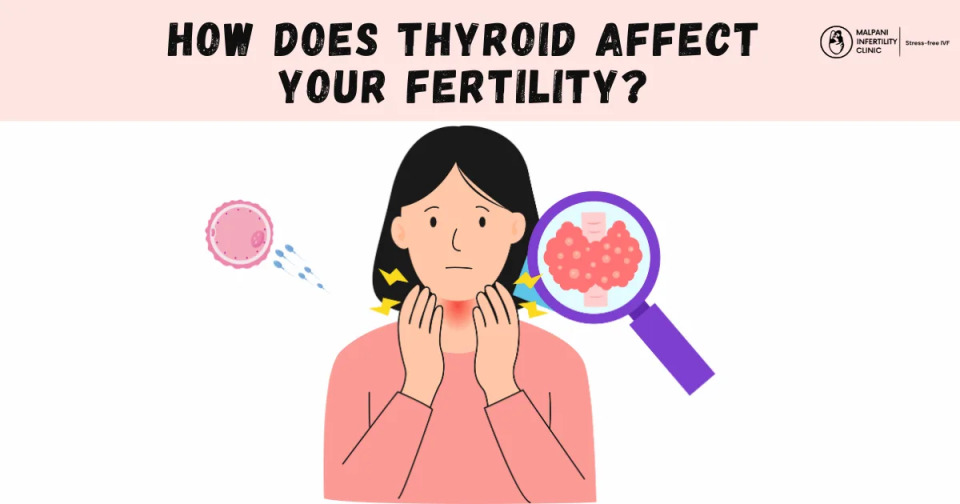
The thyroid is a small gland in your neck, but its impact on your fertility can be huge. Most people do not realise that both an underactive thyroid (hypothyroidism) and an overactive thyroid (hyperthyroidism) can make it harder to get pregnant or carry a pregnancy to term. Thyroid hormones act like the “conductors” of your body’s orchestra, keeping every system in harmony—including your reproductive system.
When thyroid hormones are out of balance, the entire chain of communication between your brain, ovaries, and uterus goes off-key. This can lead to missed ovulation, irregular cycles, poor-quality eggs or sperm, and even problems with the uterine lining where the embryo needs to implant. Sometimes, the only clue is that you just can’t conceive, or you keep miscarrying, despite everything else appearing normal.
Why Hypothyroidism Can Block Your Path to Pregnancy
Hypothyroidism means your thyroid gland is not making enough of its essential hormones. When this happens, your body tries to compensate. The brain releases more TRH (thyroid-releasing hormone) and TSH (thyroid-stimulating hormone) in an attempt to “wake up” your thyroid. But there’s a hidden twist—TRH also raises the level of another hormone called prolactin. Prolactin is supposed to help with milk production after childbirth, but when it rises at the wrong time, it can block ovulation.
- High prolactin suppresses the hormones LH and FSH, which are needed for your ovaries to mature eggs and trigger ovulation.
- Low thyroid hormone levels also slow down how your body uses sex hormones, leading to more ovulatory problems.
All of this means your chances of producing a healthy egg each month shrink, and your menstrual cycles can become unpredictable. For many women, their first clue is trouble getting pregnant or a run of unexplained miscarriages. Men are not immune either: low thyroid can reduce sperm quality and testosterone levels, so it is important both partners get checked.
Too Much of a Good Thing: Hyperthyroidism and Fertility
On the flip side, hyperthyroidism—when your thyroid is overactive—can also cause trouble. This might be due to thyroid nodules, autoimmune disease (like Graves’), or even taking too much thyroid medication. Excess thyroid hormone can “block” the effects of estrogen, making the uterine lining thin and unstable. If the lining is not ready, a fertilized egg has nowhere to implant and grow.
Hyperthyroidism can also lead to irregular periods, lighter or heavier than usual bleeding, and a higher risk of miscarriage. In both men and women, it can disturb the delicate hormone balance that fertility depends on.
Pregnancy rate in women with balanced thyroid levels during assisted fertility treatment, according to published studies.
Could Your Symptoms Point to a Thyroid Problem?
You do not need to have all the classic signs to have a thyroid issue. In fact, many people have “silent” symptoms that do not fit the textbook. Here are common signs that your thyroid might be affecting your chances of having a baby:
- Irregular, missed, unusually heavy, or light periods
- Difficulty conceiving despite regular attempts for several months
- Recurrent miscarriages
- Unexplained fatigue or low energy
- Weight gain or trouble losing weight (not explained by diet or exercise)
- Sensitivity to cold, thinning hair, or hair loss
- Brain fog, difficulty concentrating, or mood swings
- Muscle weakness, cramps, or dry skin
If you or your partner have these symptoms, or if there is a family history of thyroid or autoimmune disease, it is wise to get checked—even if your doctor has not suggested it yet.
Many couples with “unexplained infertility” later discover that undiagnosed thyroid problems were the hidden cause all along.
How to Test for Thyroid-Related Fertility Issues
Thankfully, testing your thyroid is straightforward and doesn’t require fancy procedures. It starts with a blood test for TSH, the hormone that signals your thyroid to work. If this is abnormal, your doctor will usually check a full thyroid panel, including T3 (triiodothyronine) and T4 (thyroxine), to see exactly where the problem lies.
- Normal TSH range: 0.5 to 5.5 mIU/ml (some experts prefer 0.3 to 3.0 for people trying to conceive)
- Hypothyroidism: TSH over 5.5
- Hyperthyroidism: TSH under 0.5
For couples planning a pregnancy, many fertility experts suggest keeping TSH at or below 2 mIU/ml for the best chance of conception. Even “borderline” or “subclinical” thyroid problems—where your TSH is only slightly out of range—can affect your fertility.
Treatment: Restoring Balance and Hope
The good news: most thyroid problems are highly treatable and do not require invasive procedures. If you are diagnosed with hypothyroidism, thyroid hormone replacement (usually with a medicine called Eltroxine) can often restore your fertility. It may take 1 to 2 months to bring your hormone levels into the optimal range, and you will need to check your TSH regularly to make sure the dose is just right.
Most people need to continue their thyroid medication for life, with rechecks every six months or so. For hyperthyroidism, treatment depends on the cause and might include medicines to slow down the thyroid, or sometimes other interventions. The key is that once your hormones are balanced, many people see their fertility return—sometimes after years of frustration.
Special Considerations: Thyroid and Pregnancy
If you already have a thyroid problem and become pregnant, let your doctor know right away. During pregnancy, your thyroid hormone needs go up to support your baby’s brain development and growth. Your doctor will need to monitor your TSH levels more closely and may adjust your medication dose.
- Proper thyroid management lowers your risk of miscarriage and preterm birth
- Uncontrolled hypothyroidism can affect your baby’s brain and nervous system
- Frequent check-ups ensure both you and your baby stay healthy throughout pregnancy
Men, too, should not ignore their thyroid health. Thyroid disorders in men can lower sperm count, reduce sperm quality, and even affect testosterone. If you are facing fertility struggles as a couple, both partners should consider thyroid screening—it is a simple step that can make all the difference.
When Should You Check Your Thyroid?
Not everyone with infertility needs a thyroid test, but certain situations make it especially important:
- You have a family history of thyroid problems or autoimmune disease
- You have had a previous miscarriage
- You have been trying to conceive for more than 6 months without success
- You have symptoms of thyroid dysfunction (even if mild)
At Malpani Infertility Clinic, we see firsthand how overlooked thyroid issues can quietly stand in the way of a happy outcome. By checking your thyroid early in your fertility journey, you give yourself the best shot at success—with or without advanced fertility treatments.
Testing for thyroid function is a simple, affordable step that can unlock answers and restore hope for many couples struggling to conceive.
What Nobody Tells You: Honest Advice for Your Fertility Journey
Most clinics will just tell you if your thyroid is “normal” or “abnormal.” But for fertility, the details matter. Even a “slightly high” TSH can cause problems that standard labs call normal. You deserve to have someone who understands how these numbers affect your unique situation—and who will guide you with direct, practical advice, not false hope or unnecessary panic.
At Malpani Infertility Clinic, Dr. Malpani and the team believe in sharing what others may not—because you deserve to make truly informed choices. If you are confused by your test results, or want to know if your thyroid could be standing in your way, speak to our expert fertility advisor for clear, no-nonsense guidance tailored to your personal situation.
Frequently Asked Questions
Q: Can thyroid problems really prevent me from getting pregnant?
A: Yes. Both underactive and overactive thyroid can disrupt ovulation, menstrual cycles, and hormone balance, making it harder to conceive. The good news is that most thyroid-related fertility issues can be corrected with proper treatment.
Q: What TSH level is best for trying to conceive?
A: Many fertility experts recommend a TSH level of 2 mIU/ml or lower for those trying to get pregnant, even though labs may use a wider “normal” range. Discuss your specific numbers and symptoms with a fertility-savvy doctor.
Q: How long does it take for thyroid medication to improve my fertility?
A: Once you start the right medication, it usually takes 1 to 2 months for your thyroid hormones to stabilise. Some women notice improved cycles and higher chances of pregnancy within a few months of treatment.
Q: Do I need to continue thyroid medicine during pregnancy?
A: Yes, and you may even need a higher dose. Your doctor will monitor your TSH regularly throughout pregnancy to protect your baby’s development. Never stop thyroid medication without your doctor’s advice.
Q: Can men’s thyroid problems cause infertility in couples?
A: Yes. Thyroid disorders in men can reduce sperm count, quality, and testosterone levels. Both partners should consider thyroid testing if pregnancy is not happening as expected.
Q: Should I get my thyroid checked even if I have no symptoms?
A: If you have a family history of thyroid problems, previous miscarriage, or have been trying to conceive for six months or more, it is wise to get a thyroid screening. Subtle thyroid issues may not always have obvious symptoms.