
Ectopic Pregnancy Signs & Treatment: What You Must Know
You see the faint pink line. Your heart skips a beat: could this really be your long-awaited positive? If you have struggled with infertility, every new pregnancy brings a storm of emotions: hope, excitement, and—if you know about the possibility of ectopic pregnancy—a quiet, gnawing fear. “What if it’s not in the right place?” “Will I lose my chance again?” If you are reading this, wondering whether your symptoms are normal or something more serious, or if you have already been diagnosed with an ectopic pregnancy, know this: you are not alone. At Malpani Infertility Clinic, we have guided many couples through this confusing and frightening chapter, always with honesty and compassion.
What Is Ectopic Pregnancy and Why Does It Happen?
In a normal pregnancy, the fertilized egg journeys from the ovary, down the fallopian tube, and into the uterus, where it settles and grows. In ectopic pregnancy, this journey is interrupted: the embryo gets stuck and starts growing outside the uterus, most commonly inside the fallopian tube. Less often, it can settle in the ovary, abdomen, or cervix. While this only happens in about 1 out of 100 pregnancies, it can be a life-changing event—especially for those already struggling to build a family.
of all pregnancies are ectopic. For those with tubal damage or infertility, the risk is higher.
The fallopian tube simply isn't designed to stretch and support a growing pregnancy. If an embryo lodges there, it cannot survive, and if undetected, the growing tissue eventually causes the tube to rupture. This can lead to dangerous internal bleeding and, in rare cases, threaten a woman’s life.
Who Is at Risk? The Causes Nobody Talks About
You may have heard that pelvic infections or surgeries can damage the fallopian tubes. That is true. But what most patients do not know is that even subtle, “invisible” damage (sometimes never diagnosed) can slow the egg’s journey and increase the risk.
- Pelvic inflammatory disease (PID) from infections, often silent
- Previous tubal surgery or procedures
- History of ectopic pregnancy
- Infections after IUD insertion
- Endometriosis or scar tissue near the tubes
- Infertility itself—sometimes the issue is hidden tubal damage
Even advanced fertility treatments, like IVF, carry a slightly higher risk. Sometimes, after embryo transfer, the embryo can “wander” back into the tube. This is even more likely with GIFT (Gamete Intrafallopian Transfer) than with standard IVF.
The Signs: When Does “Normal” Pregnancy Feeling Mean Something Else?
The early symptoms of ectopic pregnancy can be heartbreakingly ordinary. You might have a missed period, breast tenderness, and nausea—just like any other pregnancy. That is why so many women (and even doctors) are caught off guard.
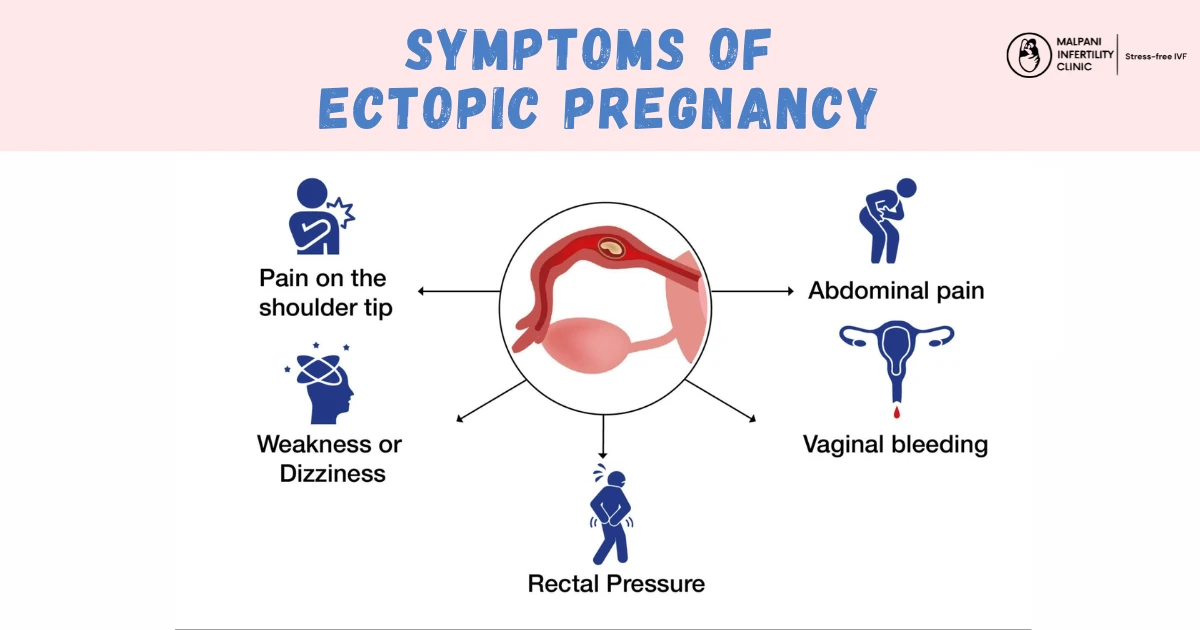
But there are warning signs you should never ignore:
- Abnormal vaginal bleeding (sometimes mistaken for a period)
- Pain on one side of your lower abdomen or pelvis
- Lightheadedness, dizziness, or even fainting
If the tube ruptures, symptoms become severe—sudden, sharp abdominal pain, shoulder pain (from internal bleeding), rapid heartbeat, sweating, or collapse. This is an emergency. If you feel intense pain or faint, seek help immediately.
If you have one-sided pain with bleeding in early pregnancy, insist on an ultrasound to rule out ectopic pregnancy.
During a physical exam, your doctor may only find tenderness. Relying on symptoms or examination alone is risky. Ectopic pregnancy is often missed unless you and your doctor actively look for it.
How Diagnosis Has Changed: From Catastrophe to Clarity
Not so long ago, ectopic pregnancy was often diagnosed only after disaster struck—a ruptured tube, emergency surgery, and sometimes loss of future fertility. Now, with better understanding and technology, early diagnosis is possible and life-saving.
At Malpani Infertility Clinic, we use two key tools:
-
Blood tests for HCG: This is your pregnancy hormone. If negative, you are safe from a significant ectopic pregnancy. If positive, your doctor tracks how quickly (or slowly) the levels rise.
Learn more: Understanding my HCG levels - Vaginal ultrasound: This can pinpoint where the pregnancy is. If your HCG level is above 1000 mIU/ml and there is no sac in the uterus, ectopic pregnancy becomes a strong possibility.
Sometimes, even with these tests, things are not clear. A curettage (removal of tissue from the uterus) might be done to see if any pregnancy tissue is inside the womb. If not, ectopic is likely. In rare cases, laparoscopy (keyhole surgery) is used for confirmation.
You can also use www.hcgexpert.in to monitor your HCG levels and get clarity about your pregnancy location.
A low serum progesterone level (less than 15 ng/ml) can also suggest ectopic pregnancy.
Real Talk: Why Ectopic Pregnancy Is So Emotionally Tough
Let’s be honest: being told your pregnancy is ectopic is devastating, especially if you have struggled to conceive. There is the pain of loss, the fear for your own health, and the anxiety about your future chances. Many couples blame themselves or feel ashamed, but none of this is your fault.
What many people don’t realize: the very fact you had an ectopic pregnancy means your egg and sperm met and fertilized. Your body is capable. With the right guidance, most women will conceive again—sometimes naturally, sometimes with help.
of women who have had an ectopic pregnancy go on to have a normal pregnancy.
If you do not conceive naturally within a year, do not panic—modern fertility treatments, including IVF, offer excellent chances, even if both tubes are damaged or removed. At our clinic, we always recommend honest discussion about your surgical history, tube status, and the best approach for your unique situation.
What Are My Treatment Options?
Treatment depends on how early the ectopic pregnancy is found and whether your tube is still intact.
- Watchful waiting: If caught very early and your HCG levels are low and dropping, sometimes your body reabsorbs the pregnancy on its own.
-
Methotrexate injection: An anti-cancer drug that stops the pregnancy from growing. This is safe for unruptured ectopic pregnancies and can help you avoid surgery. Your doctor will carefully monitor your HCG levels until they fall to zero.
More info: Methotrexate details - Ultrasound-guided injection: In specific cases, potassium chloride can be injected directly into the pregnancy tissue, allowing your body to reabsorb it.
- Laparoscopic surgery: If the tube is unruptured but methotrexate is not suitable, minimally invasive surgery can remove the pregnancy and sometimes save your tube (salpingotomy).
- Emergency surgery: If the tube has ruptured, urgent surgery is needed to stop bleeding and save your life. Sometimes, the tube must be removed.
At Malpani Infertility Clinic, we always choose the gentlest, most fertility-preserving option possible and make sure you feel informed every step of the way.
After recovery, your doctor will discuss next steps—whether you can try naturally, need more tests, or might benefit from treatments like ovulation induction, tubal surgery, or IVF. The path forward is rarely one-size-fits-all.
Will I Be Able to Get Pregnant Again?
This is the question that keeps most patients awake at night. Here is the honest answer: your risk of infertility is higher after an ectopic pregnancy, especially if you have lost a tube or have damage on both sides. The risk of a second ectopic is also higher (but not certain).
But do not lose hope. About 6 out of 10 women will have a normal pregnancy after an ectopic, with no additional treatment. The key is early testing in your next pregnancy: serial HCG blood tests and a transvaginal ultrasound can confirm a healthy, intrauterine pregnancy before you even feel symptoms.
If you do not conceive after a year of trying, your doctor will review your tubal status. Options may include:
- Ovulation induction (medications to help you ovulate)
- Repeat laparoscopic surgery (to assess or repair tubes)
- IVF (which bypasses the tubes entirely)
Having an unsuccessful pregnancy is a unique kind of grief, especially if you have already faced infertility. But remember, needing help does not mean you have failed. At Malpani Infertility Clinic, we believe every patient deserves straight talk and real hope—never false promises.
Why You Must Never Ignore Symptoms—And How to Protect Yourself
Ectopic pregnancy is not just a clinical diagnosis; it is a deeply emotional, often traumatic experience. But knowledge is power. If you have had an ectopic pregnancy before, inform your doctor as soon as you think you may be pregnant again. Early testing can save your life and your fertility.
If both tubes are damaged or removed, IVF offers a safe, effective way to have a family—no need to despair.
Above all, remember that your questions and concerns are valid. If you ever feel unsure, or if your symptoms are not being taken seriously, seek a second opinion. At Malpani Infertility Clinic, helping you make informed decisions is our highest priority—not just because it is our job, but because it is the right thing to do.
Frequently Asked Questions
Q: Can I get pregnant naturally after an ectopic pregnancy?
A: Yes, many women can. About 60 percent of women who have had one ectopic pregnancy will have a healthy, normal pregnancy next time. Close monitoring in early pregnancy is important to rule out a second ectopic.
Q: How early can an ectopic pregnancy be detected?
A: Ectopic pregnancies are usually detected between 6-8 weeks after your last period, using blood HCG tests and vaginal ultrasound. If your HCG level is above 1000 mIU/ml and there is no sac in the uterus, ectopic pregnancy is strongly suspected.
Q: Does IVF increase my risk of ectopic pregnancy?
A: The risk is slightly higher with IVF, but it is still uncommon. In rare cases, an embryo can migrate into the tube after transfer. However, IVF is the best solution if both tubes are blocked or removed, as it bypasses the tubes completely.
Q: What is the difference between ectopic pregnancy symptoms and normal pregnancy symptoms?
A: Early symptoms can be very similar. Warning signs for ectopic pregnancy are one-sided pelvic pain, abnormal bleeding, and dizziness. Severe pain or fainting needs emergency care.
Q: Will I always need surgery for an ectopic pregnancy?
A: Not always. If caught early, medication like methotrexate can treat the pregnancy without surgery. Surgery is only needed if the tube has ruptured or medical treatment is not suitable for your case.