

Facing Endometriosis: Laparoscopy or IVF?
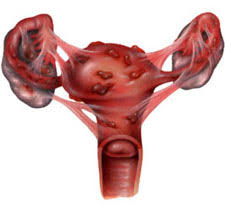
Where do you even start when you hear “endometriosis” and “infertility” in the same sentence? Maybe you have spent months or years trying to conceive, only to be told you have endometriosis. Then comes the real confusion: Should you have surgery? Should you try IVF? Should you see a gynecologist or an infertility specialist? If these questions feel uncomfortably close to home, you are not alone. Every week at Malpani Infertility Clinic, we meet women who feel lost and anxious, unsure what to do next or whom to trust.
The Confusing Advice Around Endometriosis and Infertility
Most women first hear about endometriosis from their gynecologist. More often than not, the immediate suggestion is laparoscopy, a surgical procedure that looks inside the abdomen to “see” and sometimes “treat” the endometriosis. Doctors may explain that laparoscopy is minimally invasive, requires little or no hospitalization, and can both diagnose and fix the problem in one go. Some even mention fancy approaches like “robotic” or “3D” surgery, making it sound like the best and only option.
It is easy to understand why this sounds convincing. If there is something abnormal in your body, the instinct is to remove it, right? But endometriosis is not like a breast lump or appendix. Even after surgery, the lesions can return. And, most importantly, recent evidence shows that removing mild endometriosis does not necessarily improve your chances of conceiving.
Many women agree to surgery believing it will bring them closer to having a baby, especially if they are also struggling with pelvic pain or discomfort. But the reality is more complicated. Surgery for endometriosis is not always the magic fix it is made out to be. In fact, it can sometimes make things worse for your fertility. During the removal of ovarian cysts caused by endometriosis (sometimes called “chocolate cysts”), healthy ovarian tissue can also be removed, reducing your ovarian reserve – that is, the number of healthy eggs remaining in your ovaries.
It is not just about removing what looks abnormal. The real question is: Will this help you become a parent, or could it actually reduce your chances?
Read more: Endometriosis: Symptoms, Diagnosis & Medication
The IVF Dilemma: Bypassing, Not Fixing?
Some women, after hearing about the risks and limitations of surgery, turn to an IVF specialist. The advice here can swing to the opposite extreme: skip the surgery and try IVF directly. This can feel unsettling. IVF does not remove the endometriosis lesions themselves, so how could it possibly help?
Here is what most clinics will not tell you: IVF works by bypassing the parts of the reproductive system that endometriosis often disrupts – the fallopian tubes and sometimes the ovaries. In many cases, especially for women who want to maximize their chances of getting pregnant quickly, IVF can be the more effective, time-saving approach. It also has the unexpected benefit that, once you become pregnant, the hormonal changes of pregnancy can cause endometriosis symptoms to improve or even disappear for a while.
Read more: Should you treat the endometriosis before doing IVF?
How Do You Decide? A Simple, Honest Framework
There is no one-size-fits-all answer. At Malpani Infertility Clinic, we encourage every woman to consider four key factors before making a decision:
- Your Age: Are you in your late 30s or older, where time is precious for fertility?
- Your Ovarian Reserve: How many eggs do you realistically have left? (This is checked using an antral follicle count by ultrasound and a simple blood test called AMH.)
- The Severity of Your Endometriosis: Is it mild and found only on a scan, or are you living with severe symptoms?
- Other Symptoms: Do you have disabling pain that affects your daily life or intimacy?
Here is the truth, plain and simple:
- If your main concern is pain (for example, severe pain during periods or sex), and no other treatment has helped, surgery may be the best first step. But make sure your surgeon is experienced in preserving fertility.
- If you are mostly worried about getting pregnant, and your endometriosis was found incidentally (for example, on a routine ultrasound), IVF may be a faster and more effective option.
- If you are older, every month counts. IVF gives you the best chance of pregnancy before your ovarian reserve declines further. The bonus: pregnancy itself often causes endometriosis symptoms to settle down.
- If your ovarian reserve is already low, surgery can make things worse. In this case, IVF is usually the safer road.
Sadly, most gynecologists are so focused on “fixing” what they see that they forget to check ovarian reserve before suggesting surgery. This is one reason women end up feeling cheated or regretful afterward.
When Can Surgery Actually Help?
Let us be clear: surgery is not always the villain. If you have severe pain that does not respond to medicines, or if endometriosis is causing severe anatomical distortion (for example, blocking your fallopian tubes), surgery may offer genuine relief and improve your chances of natural conception. But for mild or moderate cases, especially when your main goal is pregnancy, surgery often delays you for months – and may not improve your odds at all.
Surgery is also unpredictable. After the procedure, doctors often prescribe medications for a few months to let your body recover, then advise you to try naturally for another several months. This passage of time can further reduce your fertility, especially if you are already in your 30s.
women with mild endometriosis see a significant fertility improvement after surgery compared to observation alone.
The Hidden Traps: Overdiagnosis and Unnecessary Panic
Modern ultrasounds can pick up small ovarian cysts (sometimes just 1 or 2 centimeters). Many radiologists will report these as possible endometriosis, causing panic. The reality is, such tiny cysts rarely need any treatment at all. Sometimes, doing nothing is the wisest option, especially when you have no symptoms.
Your primary goal is not to “treat” endometriosis at any cost. Your goal is to have a healthy baby, in the safest, most effective way possible.
This is why at Malpani Infertility Clinic, we always put your fertility first. We help you see beyond the diagnosis and focus on your real priorities. Our approach is open, honest, and always based on what is truly best for you – not what is most profitable or routine for the doctor.
Read more: Oopause - poor ovarian response
What Should You Do Next?
If you are feeling overwhelmed, take a breath. This is a tough decision, but you do not have to make it alone. Here is what we recommend you do before agreeing to any procedure or treatment:
- Ask your doctor to assess your ovarian reserve with an ultrasound (antral follicle count) and an AMH blood test.
- Think about your real priorities: Is pain relief your top concern, or is having a baby what matters most to you?
- If you are considering surgery, demand that your surgeon is experienced in fertility-sparing techniques.
- If you are leaning toward IVF, find a clinic that will give you honest, evidence-based advice – not just push you into expensive treatments.
- Do not panic if your ultrasound shows a small cyst. Most of the time, it is safe to simply watch and wait.
At Malpani Infertility Clinic, we believe every woman deserves to make informed choices, without pressure or false promises. If you want to discuss your unique situation, our team is here to listen and guide you, not just sell treatments. Sometimes the best next step is just a conversation with someone who will tell you the truth and help you weigh up what is really right for you.
Frequently Asked Questions
Q: Does every woman with endometriosis need surgery before trying to get pregnant?
A: No. Most women with mild or asymptomatic endometriosis do not benefit from surgery if their main goal is pregnancy. In many cases, IVF is a better option, especially if ovarian reserve is low or you are older.
Q: How do I know if my ovarian reserve is good or poor?
A: Ovarian reserve is checked with an antral follicle count (AFC) via ultrasound and a blood test called AMH. Good numbers suggest you have more healthy eggs; low numbers mean time is of the essence.
Q: Can surgery for endometriosis reduce my fertility?
A: Yes, especially if ovarian cysts are removed. Sometimes healthy ovarian tissue is lost during surgery, which can lower your egg count and make getting pregnant harder.
Q: When is laparoscopy the right choice?
A: Laparoscopy may be helpful if you have severe pain that has not responded to other treatments, or if there are anatomical blockages. For women whose main concern is pain relief, surgery can sometimes be the best step.
Q: Why do some doctors still recommend surgery first?
A: Many doctors are trained to diagnose and treat what they see, and surgery seems like a tangible solution. However, not all surgeons consider the impact on fertility, and many are unaware of newer evidence showing IVF may be better for some women.
Q: If I have a small ovarian cyst but no symptoms, should I worry?
A: Generally, no. Small cysts (1-2 cm) often do not need treatment. It is safe to monitor them unless you develop symptoms or they grow significantly.
Q: How can I get personalized advice for my situation?
A: The best approach is to consult with a fertility expert who will assess your age, ovarian reserve, symptoms, and personal goals before recommending any treatment.