

The Maternity Hospital That Wins Won't Have Better Machines. It'll Have Better Candles
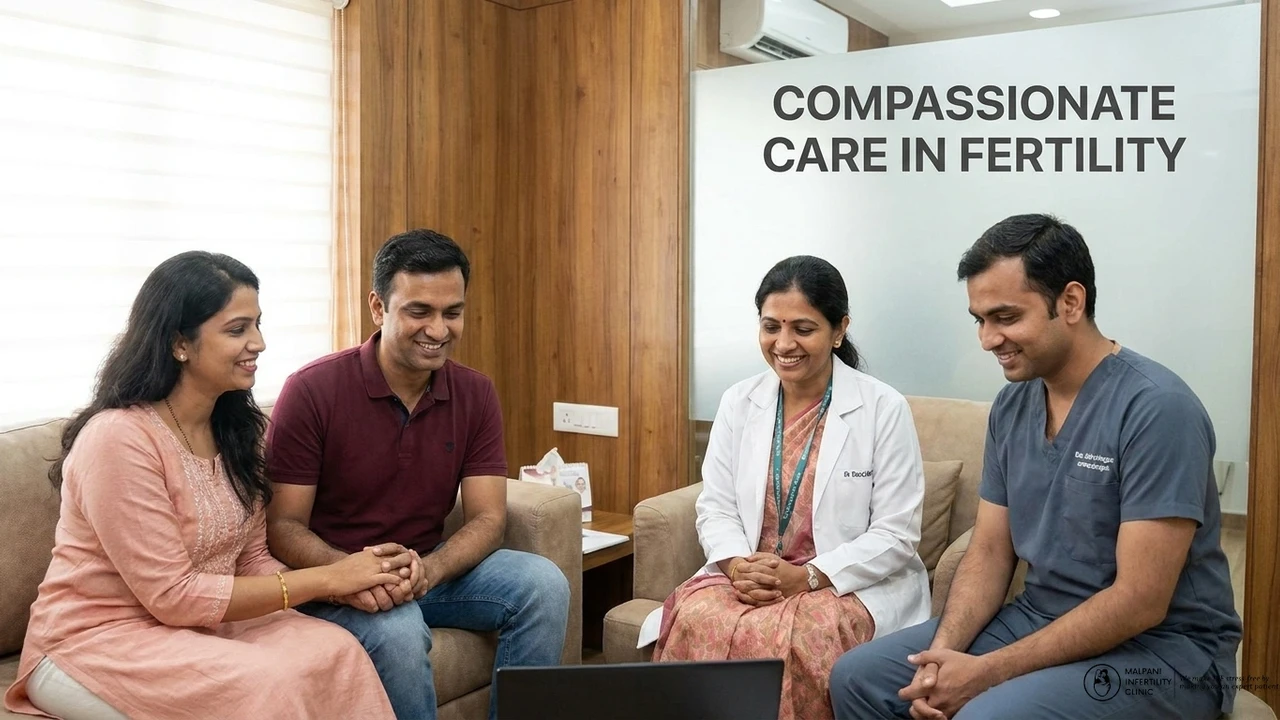
You have probably spent nights scrolling through hospital websites, wondering if the place with the most advanced monitors or the newest machines is where you should have your baby. Maybe friends and family keep asking about the technology, the neonatal ICU, the number of ventilators. But deep down, you are not just worried about machines. You are worried about feeling like a person, not a number. You want to know: will anyone actually care how I feel that day?
- Technology is not what most mothers remember about their delivery, care and empathy are.
- Many hospital routines are designed for staff convenience, not the mother's comfort or wishes.
- Simple touches, like kindness and choice, matter more than expensive machines.
- Asking the right questions before choosing a hospital can reveal how you will be treated.
- At Malpani Infertility Clinic, true support and clear communication come before everything else.
What Mothers Really Remember
Ten years from now, you will not be telling your friends about the kind of fetal monitor used during your delivery. You will remember if someone held your hand when you were afraid. You will remember if a nurse treated you gently, or if you felt left alone at the hardest moment. You will remember if you got to hold your baby right away, or if someone took your newborn off for “observation” without asking you first.
These moments, small as they seem, are what stay in your heart. Machines matter in emergencies, but for most women, childbirth is not a medical crisis. It is a life-changing event. You are not a disease being managed, you are a mother bringing a child into the world.
Why Hospital Routines Feel So Wrong
Have you ever wondered why you are told to fast, get an enema, have an IV line, and lie flat on your back, even if you do not want to? Most hospital routines are about what makes things easier for the staff, not for you. It is much simpler for doctors and nurses to monitor patients who are lying still, or to schedule operations at convenient hours, than it is to respect each woman’s unique experience.
- Continuous monitoring means being strapped to machines, often without a real need.
- Rigid protocols make it hard to move, eat, or even have your partner beside you.
- Decisions are often made for you, not with you.
A calm, respected mother is more likely to have a smoother, safer delivery, because she feels in control, not afraid.
Ask yourself: Who really benefits from these routines? If the answer is not you, then those routines are overdue for change.
Celebrating Birth, Not Just Managing It
Think about the last time you stayed at a hotel. Two hotels can have the same rooms and beds, but only one remembers your name or surprises you with a special treat. That is the place you tell everyone about. Why do we accept less when it comes to such a monumental day as the birth of your child?
What if maternity care felt like a celebration? Imagine a room where your partner is welcome to stay, where you can listen to your favorite music, where you are served the food you actually want. A place that gives you a precious first family photograph instead of a blurry phone picture. These details cost far less than a fancy machine, but they are what you will cherish for years.
Why Most Hospitals Resist Change
Why is this so rare? There are two uncomfortable reasons. First, you cannot bill for kindness. Hospital revenue models reward procedures, not human connection. Second, there is an old belief in Indian medicine that comfort and competence do not go together. Some think that a hospital that pampers patients is not “serious” enough. This is simply not true.
At Malpani Infertility Clinic, we have proven the opposite: when patients feel calm and respected, they make better choices and have better outcomes. Our patients' reviews do not focus on machines. They talk about being heard, getting straight answers, and being treated like an individual, every step of the way.
Some patients fly in from other countries just to be treated this way. It is not because we have different technology. It is because we build trust and empower you to ask the right questions.
Questions That Reveal the Truth
If you are choosing a hospital for your delivery, forget the equipment checklist. Ask questions that matter:
- Can I walk around during labor, or must I stay in bed?
- What is your caesarean rate? Can you show me real numbers?
- Will you be the one delivering my baby, or just whoever is on duty?
- Can my partner stay with me? Will I get to hold my baby immediately?
- What if I want to do something differently than your usual protocol?
The way a hospital answers these questions tells you everything about how you will be treated. If they hesitate or seem annoyed, you already know where you stand.
A New Standard for Maternity Care
When you choose a hospital that treats the birth of your baby as a celebration, not just a procedure, you set a new standard. Happy mothers tell their friends about their experience for years. Hospitals that put mothers first fill their beds without needing flashy advertisements. It is not about the latest gadget. It is about respect, choice, and human kindness.
If you are planning a pregnancy after fertility treatment, or if you just want a second opinion on your care, you deserve a team that puts you first. At Malpani Infertility Clinic, we believe that you are not just another case. You are a person with hopes, fears, and dreams, and you deserve to be treated that way, every step of the way.
Frequently Asked Questions
Q: Do machines and technology matter for every birth?
A: Advanced machines are important in emergencies, but for most healthy pregnancies, what matters more is personal care, support, and a respectful experience.
Q: What questions should I ask when choosing a maternity hospital?
A: Ask if you can move during labor, about the hospital’s caesarean section rate, who will deliver your baby, if your partner can stay with you, and if you can make choices about your birth plan.
Q: Why do many hospitals still use outdated routines?
A: Many routines are there for staff convenience, not for the mother’s needs. Changing these habits requires hospitals to put mothers first, not just their own schedule or comfort.
Q: How can kindness and personal care improve outcomes?
A: When mothers feel calm, respected, and supported, they ask better questions, make informed decisions, and often have better experiences during birth.
Q: Can Malpani Infertility Clinic help if I have special needs or past fertility treatments?
A: Yes. Our team listens to your story, respects your wishes, and guides you through your choices so you feel safe and empowered.