

Pregnancy of Unknown Location (PUL): Guide & Treatment
Pregnancy of Unknown Location (PUL): What You Need to Know
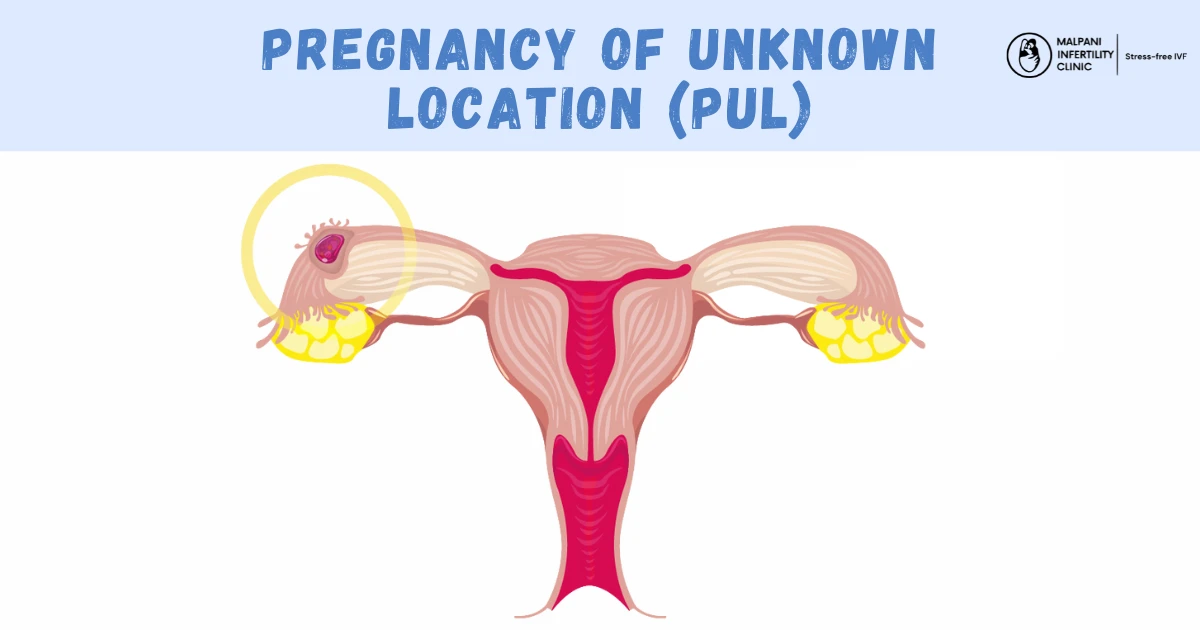
If you've received a positive pregnancy test but your ultrasound doesn't show where your pregnancy is located, you're experiencing what doctors call a Pregnancy of Unknown Location (PUL) or Pregnancy of Unspecified Location.
While this term might sound concerning, it's actually quite common in early pregnancy. Let's break down what this means and what you can expect next.
What is Pregnancy of Unknown Location?
A Pregnancy of Unknown Location happens when your beta HCG blood test is positive, but it's too early to see the pregnancy on an ultrasound scan. At this stage, we can't tell whether the pregnancy is in your uterus (where it should be) or in your fallopian tubes (called an ectopic pregnancy).
This situation is especially common for patients who have undergone IVF treatment and are in the very early days of their pregnancy.
Why Can't We See the Pregnancy on Ultrasound Yet?
Early pregnancies are routinely monitored by measuring your beta HCG levels in the blood.
In a healthy pregnancy, your HCG values double every 2 to 3 days. This doubling pattern is reassuring and suggests your pregnancy is viable and growing in the right place. However, the HCG number alone doesn't tell us everything. We need to know about your pregnancy's health or location.
Here's why we need to wait:
The Discriminatory Zone We need to wait until your HCG level reaches about 1000 mIU/ml. This is called the discriminatory zone because it allows us to tell the difference between an ectopic pregnancy and a normal intrauterine pregnancy using vaginal ultrasound.
Once your HCG rises above 1000 mIU/ml, modern ultrasound machines can clearly see the gestational sac inside your uterus. Before this stage, the sac is simply too small to visualize. There's no point in doing ultrasound scans until your HCG crosses this threshold.
Read here about ultrasound images during early pregnancy.
Possible Outcomes of Pregnancy of Unknown Location
Most PUL pregnancies have positive outcomes. Here's what might happen:
Normal Intrauterine Pregnancy
Most pregnancies with unknown location turn out to be healthy pregnancies developing normally in the uterus. As your HCG levels rise and cross the discriminatory zone, your next ultrasound will show a healthy pregnancy sac.
Biochemical Pregnancy
In some cases, your HCG level may decline on its own. This is called a biochemical pregnancy or a "spontaneous resolving PUL." While disappointing, this is nature's way of ending a pregnancy that wasn't developing properly.
Early Miscarriage
Some pregnancies may be intrauterine but not developing normally, resulting in an early miscarriage.
Ectopic Pregnancy
A small percentage of PUL cases turn out to be ectopic pregnancies, where the embryo implants outside the uterus.
Treatment and Management
The good news is that when we diagnose any pregnancy complications early, we can treat them safely and easily with medications.
During your Pregnancy of Unknown Location phase, we will:
-
Monitor your HCG levels every 2 to 3 days
-
Schedule follow-up ultrasounds once your HCG reaches the appropriate level
-
Watch for any symptoms that might suggest complications
-
Provide clear guidance on when to seek immediate medical attention
When to Seek Immediate Medical Care
While most PUL cases resolve positively, contact your healthcare provider immediately if you experience:
-
Heavy vaginal bleeding
-
Severe abdominal or pelvic pain
-
Shoulder pain
-
Dizziness or fainting
-
Nausea and vomiting that prevents you from keeping fluids down
Managing Your Emotions During This Time
We understand that the uncertainty surrounding a Pregnancy of Unknown Location can be nerve-wracking. Your feelings of anxiety are completely normal and valid.
While it's natural to worry about outcomes like declining HCG levels or ectopic pregnancy, understanding the medical protocol we follow can help you manage your emotions during this waiting period.
Pregnancy of Unknown Location is a temporary phase, not a final diagnosis. With careful monitoring and the right medical support, you'll have answers soon.
Remember: If you've gotten pregnant after IVF treatment, this is actually encouraging news. It means your chances of having a healthy baby in your next IVF cycle are much better because we've documented that embryo implantation can occur, even if this particular pregnancy doesn't continue.
If you're experiencing a Pregnancy of Unknown Location or have concerns about your early pregnancy symptoms, don't navigate this uncertainty alone. Dr. Malpani can provide the expert guidance and emotional support you need during this critical time.
Take the next step with confidence. Book your consultation with Dr. Malpani today.
Frequently Asked Questions
How long does it take to resolve a Pregnancy of Unknown Location?
Most PUL cases are resolved within 1 to 2 weeks. Once your HCG levels reach 1000 mIU/ml or higher, we can usually see the pregnancy location on ultrasound. The timing depends on how quickly your HCG levels rise, which varies from person to person.
Is Pregnancy of Unknown Location more common after IVF?
PUL can happen with any pregnancy, whether natural or after fertility treatments like IVF. However, IVF pregnancies are monitored more closely from the beginning, so PUL is often identified earlier in these cases. This early detection is actually beneficial for your care.
Can I do anything to help my pregnancy develop normally during PUL?
The development of your pregnancy is not something you can control through your actions. Continue taking your prescribed medications, get adequate rest, eat nutritiously, and avoid smoking and alcohol. Most importantly, attend all your follow-up appointments for monitoring.
What are my chances of having a successful pregnancy after a PUL diagnosis?
Many PUL cases resolve into healthy, normal pregnancies. Even if this pregnancy doesn't continue, having achieved pregnancy shows that conception is possible for you. Your fertility specialist can use this information to improve your chances in future cycles.
Should I be worried if my HCG levels are rising slowly?
HCG levels can vary significantly between individuals and pregnancies. What matters most is the overall pattern and trend. Your doctor will interpret your specific HCG pattern along with other factors like your symptoms and ultrasound findings. Don't try to interpret the numbers yourself.