
Why is the 3 Week Wait So Hard?
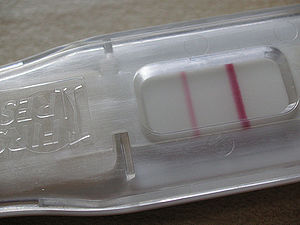
It is the longest three weeks of your life. You have made it past the two week wait, seen that positive hCG result, and now everyone expects you to be celebrating. But you cannot. Instead, you are holding your breath from the moment you see the test result until that first ultrasound, waiting desperately to see your baby's heartbeat. If you are reading this, you probably know exactly what this feels like: every hour drags on, you overthink every small symptom, you wonder if you are allowed to feel hopeful. You are not alone: almost every patient at Malpani Infertility Clinic describes this as the hardest part of their journey.
The “Other” Waiting Game: Beyond the Two Week Wait
Most people talk about the two week wait (2WW): those endless days between ovulation (or embryo transfer) and the pregnancy test. But almost nobody warns you about the next part: the three week wait that comes after a positive hCG test, leading up to your first scan. This is when you are caught in a strange in-between: technically, you are pregnant, but you are still waiting for proof that your embryo is growing as it should.
Many couples find the wait between a positive test and the first heartbeat even harder than the two week wait itself.
During these three weeks, you may find yourself:
- Reading into every cramp, twinge, or spot of bleeding
- Googling symptoms at 2 a.m.
- Feeling guilty for not being instantly happy
- Overanalyzing every bit of advice you have ever received
The truth is, this waiting period is emotionally exhausting. You do not know if you should let yourself get attached, or if you are setting yourself up for heartbreak. Friends and family may expect you to feel overjoyed, but inside, you are just scared.
Why Is the Three Week Wait So Emotionally Draining?
People often assume that once you have a positive pregnancy test, all your struggles are over. Sadly, that is not true. The reality is, a positive test is only the first hurdle. What you want is not just a positive test, but a healthy baby in your arms. And that is still weeks, even months, away.
Here is what makes this three week wait so tough:
- Uncertainty: Even rising hCG levels cannot guarantee that the embryo is healthy or that you will see a heartbeat.
- Lack of control: After all the action of fertility treatments, now there is nothing you can do but wait. No medication, no special diet, no magic ritual can change the outcome.
- Fear of loss: If you have lost pregnancies before, this wait can feel like standing on the edge of a cliff, bracing for bad news.
- Invisible stress: Outwardly, you may look fine. Inside, you are living hour-to-hour, obsessed with what is happening inside your body.
The brain hates uncertainty, so every minute without news can feel like torture.
What Are You Really Waiting For?
After a positive hCG test, you are really waiting for one thing: the ultrasound confirmation of a heartbeat. This usually happens between six to seven weeks of pregnancy, or about three weeks after your positive blood test. Until then, every blood test and symptom feels loaded with meaning, but none can truly tell you if your baby is developing as it should.
Some patients try to read meaning into the exact hCG number or how much it rises in 48 hours. While a well-rising hCG can be reassuring (meaning the placental tissue is growing), it does not guarantee the pregnancy is healthy or that you will see a heartbeat. Even doctors cannot give you certainty at this stage. That is why the wait is so agonizing.
Miscarriage, Randomness, and Self-Blame
It is cruel, but the body has its own quality control system. Most miscarriages in these early weeks are due to random genetic abnormalities in the embryo. This is nature’s way of preventing the birth of an abnormal baby. It is not your fault. Older women have a slightly higher risk because eggs age and develop more genetic errors, but even the healthiest, youngest women can experience early loss.
If you have had a miscarriage before, you may feel even more anxious now. The truth is, nothing you did (or did not do) caused this. No amount of rest, prayer, or positive thinking can change the outcome if the embryo is not healthy. It is brutally unfair, and at Malpani Infertility Clinic, we never sugarcoat this reality—because you deserve honesty and real support, not false hope.
How Do You Survive These Three Weeks?
There is no magic solution. But acknowledging that this wait is emotionally hard is the first step. Sometimes just naming the feeling (“This is so hard, and I feel powerless”) can help you feel less alone. Here are some practical ways to get through:
- Distract yourself: Make plans with friends or family, watch your favorite movies, or pick up a gentle hobby.
- Limit symptom-spotting: Remember that medication side effects can mimic pregnancy symptoms. Try not to read too much into every twinge.
- Lean on support: Talk to someone who understands—your partner, a trusted friend, or even your doctor. If you feel overwhelmed, you are always welcome to reach out to us for real talk and guidance.
- Be gentle with yourself: However you feel—numb, hopeful, scared, exhausted—is valid. You do not have to “cope well” every day.
- Ask questions: If you are unsure about anything (symptoms, medications, what to expect), ask your doctor, not the internet. At Malpani Clinic, no question is too small or too silly.
What Happens at Your First Ultrasound?
The first scan typically occurs around six to seven weeks after your last period. This is when you will (hopefully) see the tiny flicker of a heartbeat. For many, this is the most emotional moment in the entire fertility journey. Relief, tears, joy, and disbelief all mix together. For others, it may bring heartbreak, if the scan does not show what you are hoping for.
If the scan is reassuring, you can finally start to let yourself hope. If not, it is normal to feel devastated. Either way, you deserve support that is honest and compassionate. At Malpani Clinic, we are here to walk with you through every outcome, offering both medical expertise and a safe space for your emotions.
Your Feelings Are Real—And You Are Not Alone
If you are stuck in this three week wait, you may feel invisible to the world. Others may not understand why you are not celebrating yet, or why you seem tense. Please know that your feelings are normal. This is a uniquely difficult season, and you are allowed to feel however you feel.
of pregnancies with a confirmed heartbeat at the first scan go on to result in a live birth.
Most patients will see a healthy heartbeat, and the risk of miscarriage drops significantly after this milestone. But if things do not go as hoped, it is not the end of your story. There are always options, always another chance, and always support available.
What matters most is that you make decisions that feel right for you—not just what everyone else expects. If you ever want to talk through your options, fears, or next steps in total privacy, Dr. Malpani and the team are here for you. We believe in no-nonsense, honest guidance, and we will always help you make the choice that is best for your family, not ours.
Read more: The 2 week wait and IVF
Read more: Atlas of ultrasound images during early pregnancy
Frequently Asked Questions
Q: Why is the wait after a positive pregnancy test so stressful?
A: Because even after a positive hCG, there is still uncertainty about the health and viability of the pregnancy until the first heartbeat is seen on ultrasound. This period is filled with hope, fear, and lack of control.
Q: Do rising hCG levels guarantee a healthy pregnancy?
A: No. Rising hCG suggests the pregnancy is progressing, but only the ultrasound can confirm a heartbeat and a developing embryo.
Q: What are normal symptoms during the three week wait?
A: You may have mild cramps, breast tenderness, tiredness, or even light spotting. These can be caused by pregnancy, medications, or normal hormonal changes. They are rarely reliable indicators of outcome.
Q: Can I do anything to improve my chances during this waiting period?
A: Once the embryo is implanted, there is nothing you can do to change the outcome. Focus on self-care, follow your doctor’s instructions, and avoid blaming yourself if things do not go as planned.
Q: When will I know if my pregnancy is healthy?
A: The first major milestone is the ultrasound at six to seven weeks, when your doctor will look for a heartbeat and measure the embryo. This gives the first real reassurance.
Q: What if I have no symptoms at all?
A: Many women have few or no symptoms in early pregnancy. The presence or absence of symptoms does not predict the outcome.
Q: How can I get support during this time?
A: Reach out to your care team, a counselor, or loved ones who understand. Malpani Infertility Clinic offers honest, supportive guidance for every stage of your journey.