
Why PGS does not work as advertised - the difference between genes and chromosomes
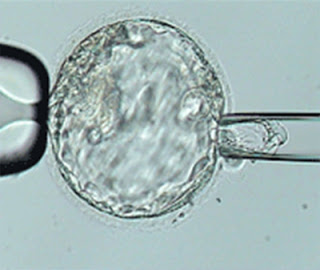
When you have been through the heartbreak of failed IVF cycles or miscarriages, every new technology that promises you a higher chance of success sounds like a lifeline. If you are reading this, maybe you have been told by someone—or read online—that preimplantation genetic screening (PGS), sometimes called PGT-A, is the answer to all your worries. The idea is simple: test embryos for genetic issues before transfer, choose only the “normal” ones, and finally get that much longed-for positive pregnancy result. But if you have ever wondered why PGS sometimes feels like a promise that does not deliver, you are not alone.
What Does PGS Actually Test For?
Most people hear “genetic testing” and imagine that PGS checks everything about the embryo’s health. Here is the truth: PGS does not look at every gene or disease. What PGS really does is count the number of chromosomes in each embryo. Humans have 23 pairs of chromosomes (think of them as bookshelves, each holding thousands of different books, which are your genes). PGS is just making sure the embryo has the right number of bookshelves—not that every book is in perfect condition.
That means PGS can spot big issues like an extra or missing chromosome, which is called aneuploidy. These problems are a common reason why embryos fail to implant or miscarriages happen, especially as women get older. But, and this is critical, PGS cannot see if there is a typo in an important gene or a rare disease hiding on one of those chromosomes. For that, a different test called PGD (preimplantation genetic diagnosis) is needed, usually only if you or your partner already know you carry a specific genetic issue.
PGS is like counting the number of pages in a book, not reading every word to check for spelling mistakes.
The Hope and the Reality: Why PGS Isn’t a Guarantee
The logic behind PGS is powerful: if we can identify embryos with the right number of chromosomes, we can choose the ones most likely to become a healthy baby. But biology, as anyone struggling with infertility knows, rarely follows a straight path.
Even if PGS tells us an embryo has the right number of chromosomes (called “euploid”), it could still have a hidden gene problem that PGS cannot detect. Remember, there are over 30,000 genes on those 23 pairs of chromosomes. PGS is not looking for single gene disorders or every possible defect. That is why, sadly, some “PGS-normal” embryos still fail to implant or end in miscarriage. When this happens—after you have invested hope, time, and money—it is natural to feel angry and misled.
At Malpani Infertility Clinic, we believe you deserve to know the limits as well as the benefits of any test. We do not want you to spend extra money on procedures that sound perfect but do not always deliver what you expect. Our goal is to help you make decisions with your eyes wide open, not with blind faith in the latest technology.
Who Might Benefit from PGS?
PGS can sometimes be helpful, especially:
- If you are over 35 and using your own eggs
- If you have had several failed IVF cycles or repeated miscarriages
- If you have many embryos and want to reduce the number of transfers needed
However, even in these cases, PGS is not a magic bullet. If you only have a few embryos, PGS may not make sense, because the biopsy might leave you with no embryos to transfer. For younger women or couples with no known genetic risks, the benefit is often lower than you might expect.
of miscarriages are caused by chromosomal abnormalities, but PGS cannot rule out all causes of failed IVF.
The Emotional Toll of High Expectations
It is easy to feel hope rise when you hear about “normal embryos” and advanced screening. But when PGS does not prevent another heartbreak, patients often blame themselves or feel betrayed by the process. The truth is, sometimes even perfect science cannot control all the variables of life and biology.
We see many couples at Malpani Infertility Clinic who come to us after being disappointed elsewhere. They are frustrated, tired of spending money, and worried that something is being missed. What most clinics might not tell you is that PGS is just one part of the puzzle. Good embryo quality is important, but so is the health of the uterus, the timing of the transfer, and factors we still do not fully understand.
If you are feeling lost, confused, or pressured into expensive add-ons, know that your feelings are valid. You deserve honest answers about what each test can and cannot do.
Making the Best Choice for Your Fertility Journey
If you are considering PGS or your doctor has recommended it, ask these questions:
- What exactly will this test tell me, and what will it not?
- How will the results change my treatment plan?
- Is there a real benefit for someone in my age group and with my history?
- What are my chances of success with and without PGS?
- How much does it cost, and is it worth it for my situation?
As someone who has walked with thousands of couples through this journey, Dr. Malpani always believes in empowering you with knowledge. No false hopes, no unnecessary tests—just straightforward guidance to help you make the choice that is right for you and your family.
If you want to read more, these resources offer detailed information:
PGT-A: Independent Overview (HFEA)
The Problems with PGT-A: A Critical Opinion
PGT-A: what's it for, what's wrong?
Frequently Asked Questions
Q: What is the difference between PGS and PGD?
A: PGS (preimplantation genetic screening) checks if the embryo has the right number of chromosomes, which helps rule out major chromosomal problems. PGD (preimplantation genetic diagnosis) looks for specific genetic diseases if you or your partner are carriers or have a family history of a known genetic issue.
Q: Can PGS guarantee a healthy baby?
A: No. PGS can only check for the correct number of chromosomes. It cannot detect all genetic diseases or guarantee that the embryo will implant, grow into a healthy pregnancy, or result in a healthy baby.
Q: Who should consider PGS?
A: PGS may be more helpful for women over 35, those with repeated IVF failures or miscarriages, or couples who have several embryos to choose from. It is less useful for younger women or those with few embryos.
Q: Does PGS damage embryos?
A: Modern techniques have reduced the risk of harming embryos during the biopsy, especially when done at the blastocyst stage (day 5). However, there is still a small risk, and sometimes embryos may not survive the process.
Q: Is PGS worth the cost?
A: It depends on your personal situation. For some, the benefit of reducing the risk of miscarriage or failed transfers may outweigh the cost. For others, especially with few embryos or at a younger age, the extra expense may not offer much advantage.
Q: What if my PGS results show no normal embryos?
A: This can be difficult emotionally. Your doctor should discuss alternative options, such as additional IVF cycles, use of donor eggs or sperm, or other approaches, based on your circumstances.