

Why Won't My IVF Doctor Show My Embryo Pictures?
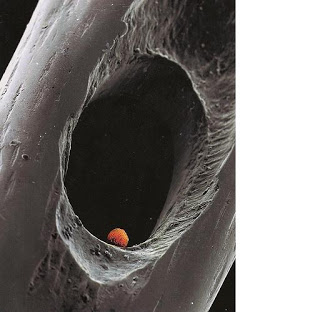
You sit in the waiting room, hands clasped, stomach tight. You have gone through injections, scans, and a blur of appointments—yet, at the most crucial moment, you are left with a haunting question: Why won’t my IVF doctor show me my embryo pictures? You paid for treatment, you have put your heart on the line, and now you want proof. Proof that your embryos are real. Proof that your dreams are still possible. If you are feeling anxious, frustrated, or even powerless, you are not alone. At Malpani Infertility Clinic, we believe every patient deserves transparency and respect. Let’s unravel what your embryos really mean, why their photos matter, and what you can do if your clinic is holding back.
What Really Happens When an Embryo Is Created?
Every single person—your loved ones, your neighbors, even you—began life as a microscopic embryo. An embryo forms when a sperm from the male partner enters and fertilizes an egg from the female partner. The sperm brings half the genetic instructions; the egg brings the other half. When they combine, a brand new life begins—scientists call this the “zygote.” This tiny ball of cells is the start of every pregnancy, but not every embryo will become a baby.
In natural conception, fertilization happens quietly inside the fallopian tube. In IVF, this miracle is recreated in the lab, where your eggs and sperm meet in a carefully controlled dish. If you are curious what an embryo looks like, imagine a particle of dust resting in the ear of a needle: so small you need a microscope to see it clearly.
How Does an IVF Clinic Actually Make Embryos?
If you have struggled to conceive, IVF can turn hope into action. During an IVF cycle, your eggs are collected and combined with sperm in a special dish with nourishing fluids. Sometimes, a single sperm is gently injected into an egg in a process called ICSI (intracytoplasmic sperm injection)—think of it as a helping hand for fertilization. Over the next few days, your embryos are carefully watched and nurtured. On day 3 or day 5, the most promising embryos are transferred to your uterus, giving them the chance to implant and grow into a pregnancy.
But here is a reality many won’t tell you: not every embryo will implant, and not all that implant will become a baby. This is why the quality of the embryos your clinic produces—and proves to you—is so important.
Choosing the Right Embryos: The “Beauty Pageant” in the Lab
When you go through IVF, your ovaries are stimulated to produce multiple eggs. The clinic fertilizes these with sperm, resulting in several embryos. But not every embryo is equal. Think of embryo selection as a beauty contest: embryologists judge which embryos look the healthiest under the microscope, following clear rules for grading their appearance. The most promising embryos are chosen for transfer, while others may be frozen for future cycles.
- On Day 1: A good embryo should have 2 pronuclei (the first sign of successful fertilization).
- Day 2: It should reach 4 cells.
- Day 3: It should reach 8 cells, with even-sized cells and few fragments.
- Day 4: The embryo compacts, and the individual cells begin to merge.
- Day 5: It becomes a blastocyst, containing about 100 cells.
If you want to see actual images of embryos at various stages, check out this visual guide.
When you know what a healthy embryo looks like, you are empowered to ask better questions and understand your own chances. At Malpani Infertility Clinic, we encourage you to be that judge—because your involvement matters.
Why Seeing Your Own Embryos—and Their Photos—Matters
Your embryos are not just lab samples. They are your potential children. Seeing them on the screen, or holding a photo in your hand, makes the process real. It is your right to see the embryos before they are transferred into your uterus. You are the one undergoing treatment, investing emotionally and financially, and you deserve this transparency.
You paid for your embryos, so you should see them—no excuses, no secrets.
Imagine the joy of showing your future child their very first "baby photo": an image of them as an embryo. But beyond sentiment, these photos are a powerful tool. If your IVF cycle does not succeed, embryo images can help another doctor assess what went wrong. Was it the embryo quality? Was it the lab? Was it something else? With clear evidence, you get a fair chance to improve your treatment plan, whether by tweaking medications or switching clinics.
Do not fall for myths. Photographing embryos does not harm them. It is a standard, safe practice in reputable clinics. At Malpani Infertility Clinic, we document every stage so you can see and understand your treatment fully.
What If Your Clinic Refuses to Show or Share Embryo Photos?
If your clinic hesitates or refuses to show your embryos or provide you with photos, treat this as a serious warning sign. Excuses like “the lab must remain sterile” or “photos can damage embryos” are simply not true. A professional lab is equipped to handle brief, controlled viewings and photography without any risk to embryo health.
Here is what you can do if you face resistance:
- Start by politely requesting to see your embryos and have their photos.
- If you are refused, make your request in writing and escalate it to the clinic director or CEO.
- Remind the clinic that as a patient, you have the right to transparent documentation of your treatment.
- Know that you are not being “difficult”—you are protecting your interests and your future family’s story.
At Malpani Infertility Clinic, we welcome your questions. We believe informed patients get better care—and better results. Our team is trained to walk you through your embryo development, show you images, and answer your questions with honesty and empathy.
of Malpani Infertility Clinic patients are offered photos of their embryos as part of routine care—because you deserve to see what you are working so hard for.
Your Rights, Your Journey: Take Charge
The journey through infertility can feel overwhelming, isolating, and even unfair. But you are not powerless. Being informed about how embryos are made, selected, and documented shifts the balance in your favor. You have the right to expect high standards and full transparency from your clinic. At Malpani Infertility Clinic, we urge you to ask questions, demand clear answers, and never settle for less than you deserve.
If you have more questions, or want to discuss your personal situation in detail, you can always speak to Dr. Malpani directly for a personalized, no-nonsense consultation. We are here to help you make the best choices for your fertility journey, every step of the way.
Frequently Asked Questions
Q: Is it safe for clinics to take photos of my embryos?
A: Yes, taking photos of embryos is completely safe and does not harm them. Reputable clinics routinely photograph embryos for documentation and patient education.
Q: Why are embryo photos important for my IVF treatment?
A: Photos allow you to see the quality of your embryos, help future specialists assess your treatment history, and provide priceless emotional reassurance.
Q: What should a healthy embryo look like at different stages?
A: On day 1, a healthy embryo has two pronuclei; by day 2, it should reach 4 cells; by day 3, 8 cells; day 4, compaction; and by day 5, a blastocyst with about 100 cells and minimal fragmentation.
Q: What can I do if my clinic refuses to show or share embryo images?
A: Firmly request your embryo photos, escalate your request in writing if needed, and consider seeking a second opinion or switching clinics if your concerns are not addressed.
Q: Can seeing my embryos improve my IVF success rate?
A: Seeing your embryos does not directly affect success, but it helps you stay informed and gives you confidence that your treatment is being handled transparently and competently.
You can email Manju at manjupadmasekar@yahoo.com
Her blog is at www.myselfishgenes.blogspot.com
This is a guest post from our expert patient, Manju.