
What is Intrauterine Insemination (IUI)?
You might be reading this because you’re tired, frustrated, and quietly asking yourself: “Why is it so hard for us to get pregnant?” Maybe you’ve been told that everything looks “normal” yet you’re still waiting for that positive test. Or perhaps you know exactly what the medical hurdle is, thick cervical mucus, sluggish sperm, or ovulation that never seems to come on time. If you’re here, chances are you’ve already tried everything possible on your own, and you’re ready to understand what real help looks like. You deserve answers, not platitudes. Let’s talk about IUI in a way that’s honest and practical, so you can decide what’s right for you, with calm and clarity.
What Is IUI?
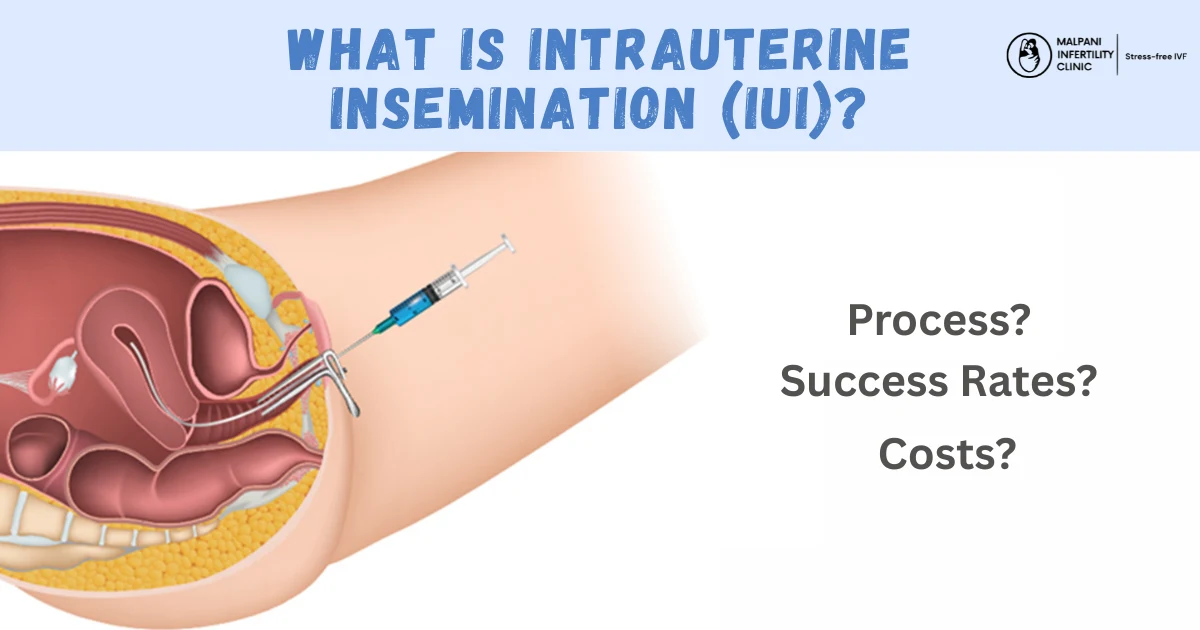
Intrauterine insemination (IUI) is a fertility treatment that gives sperm a head start by placing them directly inside the uterus, close to where the egg will be. The point is simple: help sperm reach the egg, especially when nature keeps putting up roadblocks. IUI is not as intimidating as it sounds, it’s a quick, office-based procedure that doesn’t require surgery or hospital admission. For many couples, it’s the first step beyond hope and chance.
Who Should Consider IUI?
IUI isn’t for everyone, but it can make a world of difference for couples facing certain challenges. If any of these situations sound familiar, IUI might be worth considering:
- Cervical issues: If your cervical mucus is unusually thick or unfriendly to sperm, IUI helps sperm skip the cervix entirely.
- Mild sperm problems: Maybe the sperm count is a bit low, or their movement isn’t ideal. Even when a man’s body produces antibodies that attack his own sperm, IUI lets the best sperm be separated and used.
- Physical or psychological barriers: If sexual intercourse isn’t possible because of issues like vaginismus (learn more), impotence, anatomical challenges, or even paralysis, IUI can bypass these barriers.
- Unexplained infertility: When all tests come back “normal” but pregnancy just isn’t happening, IUI increases the odds of sperm and egg meeting at the right time.
- Unique lifestyle situations: If your husband works away from home for long periods, sperm can be frozen for IUI and used when you are ready to try.
IUI may also be considered for women using donor sperm or for single women who wish to conceive, after a thorough evaluation.
How Does the IUI Process Work?
At Malpani Infertility Clinic, we believe you deserve to know exactly what will happen, no surprises, no confusion.
-
Step 1: Pre-cycle assessment
You’ll begin with comprehensive blood work, ultrasound scans, and a semen analysis. This is to ensure there are no hidden obstacles and that IUI is your best first step. -
Step 2: Ovulation tracking and medication
Timing is everything. We use vaginal scans and, if needed, ovulation predictor kits to pinpoint your fertile window. In many cases, you’ll take gentle fertility medications (like Clomid or HMG injections) to encourage your ovaries to release more than one egg, giving you a better shot at success. -
Step 3: Sperm collection and preparation
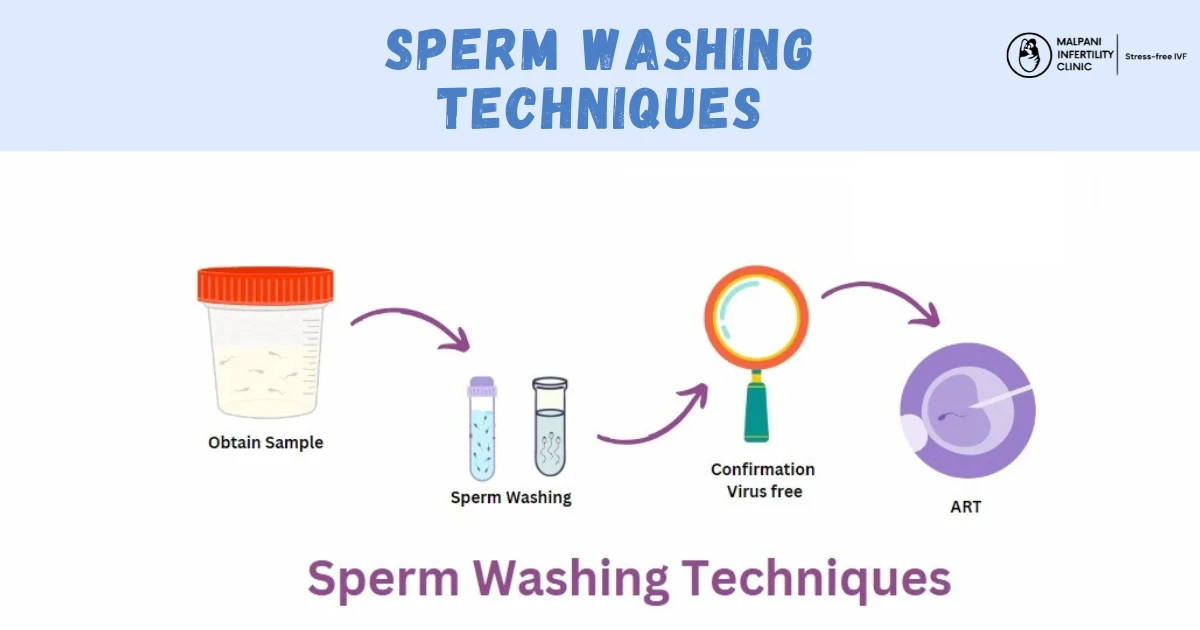
Your partner provides a semen sample at the clinic (or we can use a previously frozen sample, especially helpful if stress or travel is an issue). The sample is then processed in our lab to separate and concentrate the healthiest, most active sperm. -
Step 4: The insemination procedure
You’ll lie on an exam table while a doctor gently inserts a speculum (like during a Pap smear). A thin, soft catheter is used to place the prepared sperm directly into your uterus. The whole process takes just a few minutes. You might feel some cramping, but most women find it more awkward than painful. -
Step 5: Aftercare and support
There’s no need for bed rest. We encourage intercourse on the night of the IUI and for the next couple of days, to maximize your chances. Any vaginal discharge afterwards is usually just cervical mucus, don’t worry, the sperm can’t “fall out.”
How Are Sperm Prepared for IUI?
This is where science quietly works in your favor. At Malpani Infertility Clinic, our lab team uses advanced but safe methods to make sure only the best sperm reach your uterus.
- Basic wash: The semen is mixed with a special solution and spun in a centrifuge. This separates sperm from seminal fluid, but it’s not always the most effective method.
- Swim-up method: A layer of solution is placed above the semen. The most active sperm “swim up” into this layer and are collected for use.
- Density gradient method: This is today’s gold standard. It separates sperm based on weight, leaving only the best, most motile sperm ready for insemination.
Sometimes, mild stimulants are added to the washed sperm to improve their movement, but only if it’s safe and proven to help.
IUI Success Rates and When to Move On
If you’re weighing IUI, you want numbers, not promises. Here’s the truth:
- With each IUI cycle, the chance of pregnancy is roughly 10-15 percent, depending on your age and reason for treatment.
- After about 4 cycles, around half of all couples who will get pregnant with IUI will have done so. If you haven’t conceived after 4 well-timed cycles, it’s time to consider other options like IVF.
Cumulative chance of pregnancy after 4 IUI cycles if you’re a good candidate.
IUI works best for:
- Unexplained infertility
- Mild male factor issues
- Cervical problems
- Ovulation disorders
- Needing donor sperm
If you have severely low sperm counts, blocked tubes, severe endometriosis, or are over 40, IUI’s chances drop sharply. Don’t let anyone string you along with endless cycles, some things, no matter how much you wish, are just not the right tool for the job.
Most couples who will benefit from IUI see results within 3 to 4 cycles, longer than that is rarely productive.
Risks and What Can Go Wrong
No fertility treatment is risk-free, and you deserve the facts, not sugarcoating.
- Multiple pregnancy: Because medications may cause you to release more than one egg, the risk of twins or even triplets is higher with IUI than with IVF. If you develop too many follicles, your doctor may recommend canceling the cycle or switching to IVF.
- Ovarian hyperstimulation: Rare but serious. Overstimulated ovaries can become painful and swollen. This is why monitoring by an experienced clinic is essential.
- Infection: Very rare when handled with sterile technique, but it can happen in poorly equipped clinics.
Real Talk: The Emotional Side of IUI
There’s no getting around it: fertility treatments can feel invasive, awkward, and sometimes even humiliating. Men may feel embarrassed or “less manly” for needing medical help. Women may feel guilt, anger, or simply fed up with the whole process. It’s normal to grieve, to snap at each other, to wonder why something so basic needs so much planning. You are not alone.
- Men may feel guilty about their partner going through procedures
- Women may resent the intrusion into their intimate life
- The waiting, the hope, and the letdown each month can be exhausting
You don’t have to bottle it up. At Malpani Infertility Clinic, we encourage open conversations and can connect you with counseling if you need it. Sometimes, just knowing you have a team on your side who truly gets it can make the difference between isolation and hope.
IUI Costs and Making the Most of Your Treatment
IUI is less expensive than IVF, but costs can add up, especially if you need medications, monitoring scans, or several cycles. Here’s what’s usually involved:
- Initial testing and assessments
- Fertility medications (if used)
- Monitoring ultrasounds and blood tests
- Laboratory processing of sperm
- The IUI procedure itself
At Malpani Infertility Clinic, we believe in making these costs clear upfront so you’re never surprised. We also help you weigh whether continuing IUI or considering IVF makes more sense for your unique case and budget.
Your IUI Journey, Step by Step
Here’s how the process feels from a patient’s perspective:
- Before you start: You and your partner get thorough testing. No shortcuts: we want to ensure IUI is worth your time and trust.
- During treatment: You may take medications, come in for scans, and then have the IUI at just the right moment. The two-week wait that follows can feel endless, having a clinic that supports you through this is vital.
- Afterwards: If the test is negative, you’re not left in the dark. We sit down together and discuss next steps honestly, should we try again, adjust the plan, or switch to IVF? If it’s positive, we celebrate and begin early pregnancy monitoring.
Could IUI Be Your Next Step?
IUI can be the bridge between frustration and hope for many couples. But it’s not for everyone, and you deserve a clinic that won’t waste your time or money. At Malpani Infertility Clinic, we don’t just follow a script, we tailor each plan to each couple, and we’re honest about when it’s time to move on to more advanced options. If you’re unsure whether IUI is right for you, or if you’re exhausted by generic advice, our team is ready to give you straight answers and real support.
Frequently Asked Questions
Q: Is IUI painful?
A: Most women find IUI mildly uncomfortable, much like a Pap smear. You might feel a little cramping during and after the procedure, but it’s over in minutes and no anesthesia is needed.
Q: How long does an IUI appointment take?
A: Sperm preparation in the lab takes 1-2 hours, but the insemination itself just a few minutes. Plan to be at the clinic for 2-3 hours altogether.
Q: Can we have sex after IUI?
A: Yes, in fact, we encourage intercourse the night of the IUI and for 2-3 days afterwards. This gives you the best odds by adding more sperm at the right time.
Q: How soon can I take a pregnancy test after IUI?
A: Wait at least two weeks to avoid misleading results. Testing early can give false hope or unnecessary worry.
Q: What if IUI doesn’t work for us?
A: If you haven’t conceived after 3-4 well-timed IUI cycles, it’s time to discuss other options like IVF or ICSI. Don’t keep repeating cycles if the odds are no longer in your favor.
Q: Is IUI worth trying if we have severe male factor infertility?
A: Not usually. If sperm counts are very low, ICSI treatment is much more effective.
Q: Are there any serious risks with IUI?
A: The main risks are multiple pregnancy (especially if you produce many eggs) and ovarian hyperstimulation from fertility medications. Serious infections are rare in experienced clinics with proper hygiene.
Q: Where can I compare IVF and ICSI?
A: You can read a detailed comparison of IVF and ICSI here.