
Using Embryo Glue for Embryo Transfer improves Pregnancy rates.
Saiprasad Gundeti, Chief Embryologist, Malpani Infertility Clinic.
One of the most important steps in the reproductive process is embryo implantation. Successful implantation requires a competent blastocyst, receptive endometrium, and effective communication between the two. Implantation is the process in which the blastocyst attaches to the endometrium (Uterine Lining)
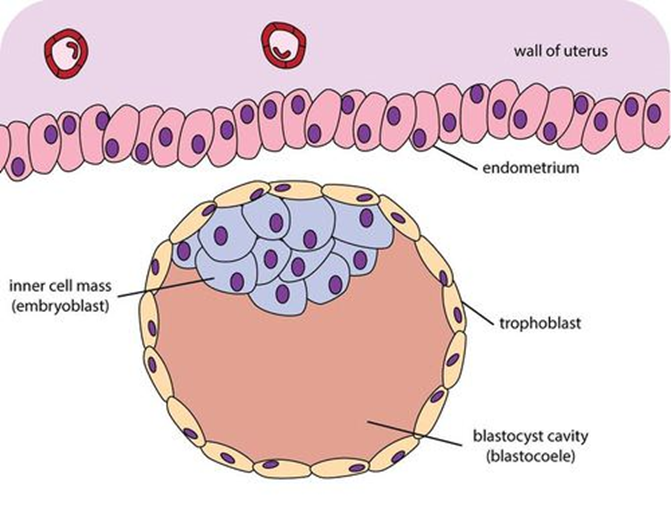
Implantation consists of three stages (Apposition, Adhesion, and Invasion):
1)Apposition: The blastocyst comes in contact with the endometrium
2)Adhesion: Trophoblast Cells (Trophectoderm) of the Blastocyst attach to the receptive Endometrial Epithelium
3)Invasion: The blastocyst anchors itself to the outermost layers of the endometrium and then completely invades the endometrial tissue.

Although there have been several improvements in the techniques of superovulation, fertilization and embryo Transfer, the success rate in IVF is not 100%. Many IVF cycles fail, even when we transfer top-quality embryos inside the uterus.
The commonest reason for IVF failure is implantation failure.
To maximize the chances of implantation, Embryo Glue can be used for Embryo Transfer. This adhesive transfer medium helps the embryo stick to the endometrium.

The name is misleading because embryo glue is not really glued. It is an Embryo Transfer Medium that contains a high concentration of Hyaluronan (Hyaluronic Acid) and Low Concentrations of Recombinant Human Albumin.
Hyaluronan (or Hyaluronic Acid) is a sticky substance that is produced naturally by our body.
Embryo Glue contains high concentrations of Hyaluronan. This sticky solution mimics the natural uterine secretions and ensures that embryos are closely apposed to the uterine lining after the transfer. It also restricts embryo movement in the uterus, considerably eliminating the risk of ectopic pregnancy.
Embryo Glue is recommended for:
- Patients with multiple IVF Failures.
- Patients with ectopic pregnancy in the past.
- Advanced Maternal Age (>35 years)
We advise using Embryo Glue for all our patients since we have seen a higher success rate in patients, where Embryo Glue was used for Embryo Transfer.
For Embryo Transfer, a sterile catheter is used.
The Embryos selected for the transfer are shifted to a dish containing Culture Medium. We usually advise doing only a single embryo transfer (SET).
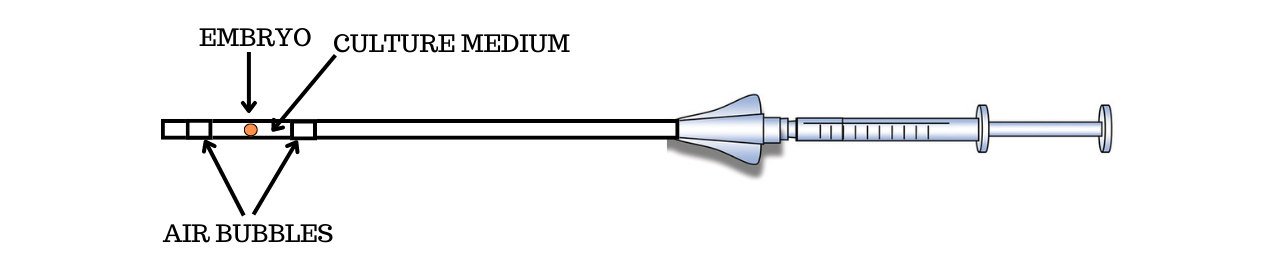
When we use Embryo Glue in Fresh IVF – ET, the selected embryo is shifted to a dish containing Embryo Glue (instead of Culture Medium), and the embryo is then loaded into the catheter, in between 2 air bubbles on either side. This is handed to the doctor, who then transfers this into the uterine cavity. The air bubbles allow the doctor to track the embryo during the procedure of ultrasound-guided embryo transfer.
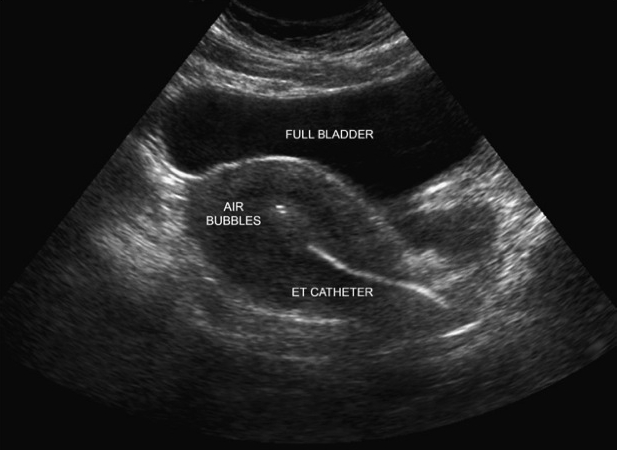
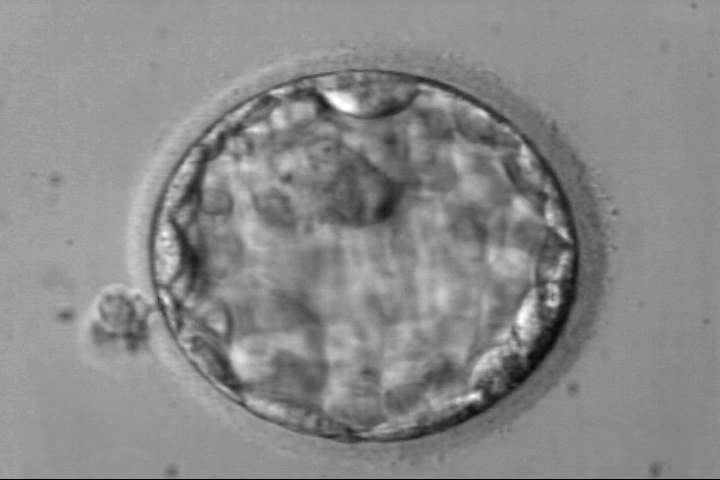
For Frozen Embryo Transfers (FET), the Embryo(s)(Blasotyst) is thawed and incubated in Culture Medium for 2-3 hours prior to the Embryo Transfer, which gives enough time for the Blastocysts to stabilize and re-expand. And for the Transfer, the Embryo is loaded into the catheter with Embryo Glue and transferred into the uterus.
| Pre- Freeze Picture | Post Thaw @ 0 Hours | Post Thaw @ 3 Hours |
|---|---|---|
 |
 |
 |
The efficacy of embryo glue in improving pregnancy rates has been proven in recent medical studies as well.
1. The effect of hyaluronic acid in embryo transfer media in donor oocyte cycles and autologous oocyte cycles: a systematic review and meta-analysis
2. In IVF, does transferring the embryo in media containing high concentrations of hyaluronic acid result in more live births?