
Unlocking the Secrets of Your Uterus
Have you ever wondered if something as small and silent as your uterus could hold the answer to your fertility worries? Maybe you have been told your periods are "normal" but you still struggle to get pregnant. Maybe you feel lost in a maze of tests, ultrasounds, or medical jargon, and you just want someone to tell you: What is really happening inside my body? If that sounds like you, you are not alone. So many women come to us at Malpani Infertility Clinic, frustrated, anxious, and just wishing for clarity. Let us help you understand what your uterus is trying to tell you—because once you unlock its secrets, you feel more in control of your fertility journey.
The Uterus: More Than Just a "Problem Organ"
For many women, the uterus is a source of pain, confusion, and sometimes even shame. We hear about periods being "miserable" or about the stigma of not being able to conceive. Historically, myths like the "wandering uterus" only added to the confusion. But the truth is, your uterus is a remarkable, resilient organ. It is not just the source of menstrual woes—it is the cradle of life, uniquely designed to nurture and protect a new baby.
Every month, the inner lining of the uterus—the endometrium—grows, changes, and regenerates. It is this lining that scientists study to understand how cells multiply and heal. It is also where an embryo implants, making it the literal heart of conception. While surgeries and hormones can mimic other female traits, only a woman’s uterus can carry a baby. This is what makes each woman’s journey so unique—and so precious.
Understanding the Structure: Myometrium and Endometrium
To truly understand fertility, you need to know your uterus has two main parts:
- Myometrium: This is the muscular wall of the uterus. If you have ever heard of fibroids (benign growths), this is where they form. Fibroids can sometimes impact fertility, especially if they distort the cavity.
- Endometrium: This is the soft, velvety inner lining. Each month, it thickens in preparation for an embryo. If no pregnancy occurs, it sheds during your period. The health and thickness of this lining is crucial for implantation and pregnancy.
When the Uterus Affects Fertility
It is important to know: in most cases, your uterus is not the barrier to pregnancy. But sometimes, certain conditions can affect its ability to support a pregnancy:
- Fibroids that distort the uterine cavity
- Polyps or adhesions (scar tissue) inside the uterine lining
- Thin or irregular endometrial lining
- Congenital anomalies (such as a septate uterus)
What makes this especially hard is that you cannot feel or see many of these problems. They do not always cause pain or abnormal bleeding, so they are easily missed in routine checkups. Many women only discover them after repeated failed attempts to conceive or after miscarriages. This can be deeply frustrating and emotionally exhausting.
If you have been told "everything looks normal" but still have not conceived, it may be worth a closer look at your uterine health.
How Do We Diagnose Uterine Issues?
Thankfully, modern technology has given us several gentle, non-invasive ways to "see inside" your uterus, so you do not have to guess or worry blindly. At Malpani Infertility Clinic, we believe in empowering you with clear, straightforward information about all your options:
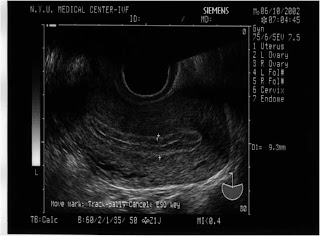
- Vaginal Ultrasound Scanning: This is the first line tool. It helps us check the thickness and texture of your endometrial lining, spot fibroids, polyps, or other abnormalities. It is quick, painless, and gives us a real-time image of your uterus.
- Hysterosalpingogram (HSG): This is a special X-ray taken between Day 5 and 7 of your cycle. A dye is gently introduced into the uterus and tubes to check for blockages or unusual shapes inside the uterine cavity. It can be a bit uncomfortable, but it provides valuable information about both your uterus and fallopian tubes.
- Hysteroscopy: This is the gold standard. A thin, flexible camera is inserted through the cervix so we can see the inside of your uterus directly. This allows us not just to diagnose, but also to treat small problems (like removing polyps or adhesions) during the same procedure.
No-Nonsense Advice: What You Need to Know (But No One Tells You)
Many clinics or doctors might gloss over subtle uterine issues, focusing only on ovaries or sperm. But at Malpani Infertility Clinic, we have seen so many women finally succeed only after a hidden uterine problem was found and treated—sometimes after years of frustration elsewhere.
- If your periods are very irregular or unusually light/heavy, do not ignore these signs. They could point to uterine lining problems.
- If you have had repeated failed IVF cycles or unexplained miscarriages, insist on a detailed uterine evaluation. Even tiny adhesions or a thin lining can make a difference.
- Do not let myths or stigma stop you from asking questions. You deserve honest answers and a clear diagnosis.
The uterus is not just a passive container. Its health, shape, and lining quality matter deeply for your fertility success.
How Malpani Infertility Clinic Supports You
When you come to us, we do not just tick boxes on a checklist. We listen to your story—your symptoms, your anxieties, your past experiences. We use the most advanced and gentle diagnostic tools to uncover any hidden issues. Most importantly, we explain your results in plain English, so you are never left in the dark. Our goal is to help you make empowered decisions about your treatment, whether that means a simple reassurance or a targeted intervention.
If you feel lost in the process, or if you want a second opinion on your uterine health, you can always chat with our expert fertility advisors for personalized, no-nonsense guidance.
Frequently Asked Questions
Q: What symptoms might suggest a problem with my uterus?
A: Symptoms such as unusually heavy or light periods, irregular bleeding, severe period pain, or repeated miscarriages could indicate an underlying uterine issue. However, many uterine problems are silent and only found through specific tests.
Q: Is a thin uterine lining a serious problem?
A: A thin endometrial lining can make it harder for an embryo to implant successfully. If your lining is consistently thin on scans, your doctor may suggest specific treatments to improve its thickness and quality.
Q: Can fibroids or polyps affect my fertility?
A: Yes, especially if they grow inside the cavity or distort its shape. Not all fibroids need treatment, but those inside the uterine cavity may need to be removed to improve your chances of pregnancy.
Q: What is the best test to check if my uterus is healthy?
A: A hysteroscopy is considered the gold standard because it allows direct visualization and treatment of the uterine cavity. However, a combination of ultrasound and HSG also provides valuable information.
Q: How do I know if my failed IVF cycles are due to a uterine problem?
A: If you have had good quality embryos but repeated implantation failures, ask your doctor for a thorough uterine evaluation. Sometimes small issues missed in routine scans can be the root cause.
Q: Can uterine issues be treated?
A: Many uterine problems, such as polyps, small fibroids, or adhesions, can be treated effectively with minimally invasive procedures like hysteroscopy. Treating these issues can significantly improve your chances of conception.