
Ovarian Reserve Testing: FSH, AMH & Fertility Guide
When you hear the words "ovarian reserve test" or see numbers like AMH, FSH, or Day 3 on your blood test report, do you feel a knot in your stomach? Maybe you’re staring at a lab result at 2 am, feeling lost and worried. You might be thinking: "What does this mean for me? Am I running out of time? Why didn’t anyone talk to me about this before I started trying?" If any of that sounds familiar, you are not alone. At Malpani Infertility Clinic, we have met hundreds of women who have felt exactly this way—confused, anxious, and desperate for honest answers.
What Does “Ovarian Reserve” Really Mean?
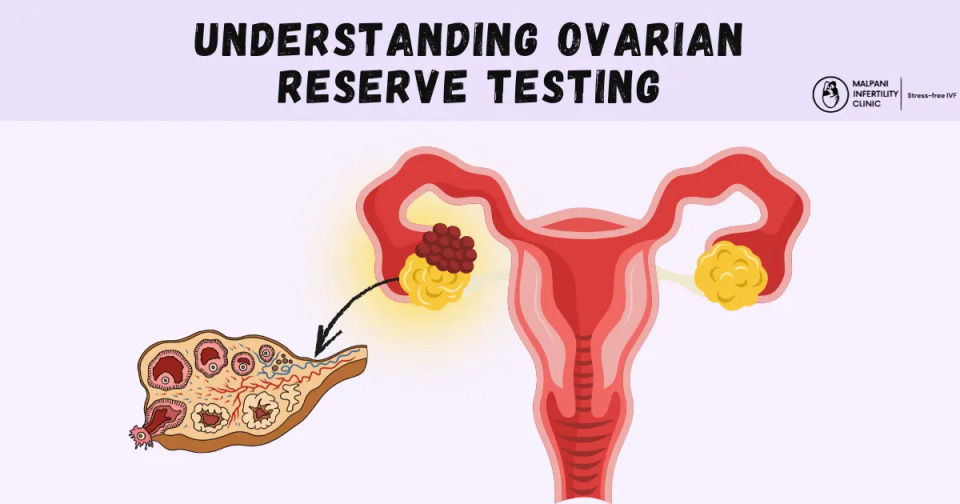
Your ovarian reserve is simply a term for the number of eggs left in your ovaries that could potentially be fertilized. Every woman is born with all the eggs she’ll ever have. Over time, this number naturally goes down. A healthy ovarian reserve means you likely have a good number of eggs left. A low reserve can make it harder to conceive, but it does not mean you are completely out of options.
When your ovarian reserve becomes very low, some doctors might say you've reached your "oopause". But what does all this mean for your future, your hopes, and your next steps?
How Can You Check Your Ovarian Reserve?
There isn’t a single magic test. Instead, we use a few key tests—each giving us a piece of the puzzle. Here’s what those tests are, what they actually show, and what they can’t tell you.
Understanding the Main Ovarian Reserve Tests
AMH (Anti-Müllerian Hormone): The Modern Gold Standard
This simple blood test can be done any day of your cycle. AMH is made by tiny follicles in your ovaries—the same ones that hold immature eggs. The higher your AMH, the more eggs you likely have left. Lower AMH? That means the reserve is smaller, which is common as women get older.
Why is AMH so valuable? Because it barely changes from month to month, and it gives us a stable, reliable snapshot of your egg supply. Unlike some older tests, it isn’t affected by where you are in your cycle, or by short-term stress. It gives you—and your doctor—a clearer idea of what’s really happening in your ovaries, right now.
Antral Follicle Count (AFC): Seeing Is Believing
This test uses an ultrasound scan, usually in the first few days of your period. Your doctor counts the number of small, resting follicles in your ovaries. Think of these as tiny bubbles: each one holds an immature egg, and a higher count means more eggs are available. AFC is a direct, visual way to confirm what your AMH is showing in the blood.
Both AMH and AFC help us predict how your body might respond to fertility treatments like IVF. They cannot predict exactly how many eggs you’ll get—or guarantee a pregnancy—but they’re powerful guides for planning the best next step for you.
FSH (Follicle-Stimulating Hormone): What Does a High Level Really Mean?
FSH is a hormone your brain sends out to encourage your eggs to grow. It’s usually measured on Day 3 of your period because this gives us a good “baseline” reading.
Here’s the part most people never explain: A low FSH means your body isn’t struggling to get your ovaries to respond. If your ovaries have fewer eggs left, your body works harder and FSH goes up. Many patients ask, “Doesn’t a high FSH mean I’m making lots of eggs?” Actually, it’s the opposite. A high FSH is your body’s way of shouting for help—it means the ovaries aren’t listening as well anymore.
- Normal FSH: 3 to 10 mIU/ml
- Borderline or Worrisome: More than 12 mIU/ml
- Ovarian Failure: Over 25 mIU/ml (seen in menopause)
Some medicines, like Clomid, or being on birth control, can change your FSH levels temporarily. That’s why it’s always important to talk honestly with your doctor about your medication history.
High FSH doesn’t mean you can’t get pregnant—it means your ovaries need more support than before.
Estradiol and Why Context Matters
Estradiol is the main estrogen your ovaries make. We always check your estradiol along with FSH. If estradiol is high (above 75 pg/ml on Day 3), it can artificially lower your FSH result, creating a false sense of normal. That’s why doctors look at both numbers together. Here’s how they fit:
- High estradiol + normal FSH: Can hide a low ovarian reserve
- Normal estradiol + normal FSH: Usually good ovarian reserve
- High FSH (with or without high estradiol): Indicates lower reserve
Other Clues: The FSH:LH Ratio and Challenge Tests
FSH and LH (luteinizing hormone) are usually about equal early in your cycle. If FSH is much higher, it’s another sign the reserve is dropping. Some doctors may do a “clomiphene challenge test,” where you take Clomid for five days and check FSH before and after. If the sum of Day 3 and Day 10 FSH is over 25, this suggests the ovaries are not responding as well, and donor eggs may be discussed as an option. If it’s less, you may still try with your own eggs.
We may also check prolactin (PRL) and thyroid (TSH) levels as part of a complete workup. These hormones, when out of balance, can also affect your cycles and fertility.
What These Tests Can—and Can’t—Tell You
It’s natural to want a clear answer. Patients ask, “If my AMH is low, does that mean I can’t get pregnant?” Or, “Will IVF work for me if my FSH is high?” The truth is, these tests give us probability, not certainty. They estimate how many eggs might be left, and how your ovaries might respond if we stimulate them. But they cannot tell you:
- Exactly how many eggs you have left
- The quality of those eggs (which matters even more than quantity)
- Whether you will get pregnant this month, or ever
- Exactly when menopause will start
Think of these tests as a weather forecast. They help you decide whether to carry an umbrella, but they can’t guarantee it will rain.
What If Your Ovarian Reserve Is Low?
Hearing “low reserve” or “high FSH” can crush your spirits. Maybe you feel betrayed by your body, or angry that nobody warned you sooner. But here’s some honest advice: numbers are not the full story. Many women with low reserve still have healthy eggs that can make a baby. Your age, the quality of your partner’s sperm, and the skill of your fertility team all play a part.
When your reserve is very low, donor eggs may be suggested as one of your best chances. But for younger women, or those with borderline results, we often try with your own eggs first. Some couples want to try alternative approaches like:
- Yoga for pelvic circulation
- Acupuncture for ovarian blood flow
- DHEA supplements (75 mg daily)
There are no guarantees with these alternatives. Clinical trials haven’t proven they work, but they may give you peace of mind that you’ve tried everything. At Malpani Infertility Clinic, you get straight talk about what’s worth trying and what is just a myth.
How Age Changes the Picture
Age is the one factor none of us can control. Women over 43 usually have lower pregnancy rates, even if their hormone levels look “normal.” If you’re younger with a high FSH or low AMH, you may still have a realistic chance with your own eggs. That’s why a personalized approach matters—combining your test results, your age, and your goals to guide your treatment plan.
Are There Other Tests?
Yes, sometimes we add inhibin testing or more detailed ultrasounds. But if any one test were perfect, we wouldn’t need the others. The fact that we use several means each one has its limits. Don’t fixate on one number or one “bad” result—what matters most is your overall response to treatment.
If you’re in the USA, you can even track your FSH at home using commercial labs like MyMedLab. But again, do not obsess over a single value. The best sign is how you respond to medication: if you grow eggs well, you shouldn’t worry too much about the numbers on paper.
Can You Improve Egg Quality?
You cannot make more eggs—the supply is set at birth. But you can support the health of the eggs you have. Simple steps can help:
- Eat nutritious foods, and take a prenatal vitamin
- Get enough quality sleep
- Quit smoking and avoid alcohol
- Manage stress with yoga, meditation, or counseling
- Maintain a healthy weight
These healthy habits support your overall fertility and may give you the best possible chance, regardless of test results.
Is It Time to Get Tested?
If you are over 35 and trying to conceive, considering IVF, or just want clarity about your fertility future, ovarian reserve testing is a smart step. If you have a family history of early menopause or have had ovarian surgery, early testing is especially important. At Malpani Infertility Clinic, we believe in giving you all the facts—no sugarcoating, no false hope, just honest, empathetic guidance so you can make the best decisions for your family.
Frequently Asked Questions
Q: When should I have ovarian reserve testing?
A: Consider testing if you’re over 35 and trying to conceive, planning fertility treatment, or want to understand your fertility timeline. Women with a family history of early menopause or those who have had ovarian surgery benefit from early testing.
Q: Can I get pregnant with low ovarian reserve?
A: Yes. Many women with low reserve still become pregnant naturally or with fertility treatments. Having fewer eggs doesn’t mean you have no healthy eggs. Our clinic can help you choose the best next step—whether that is natural conception, IVF, or considering donor eggs.
Q: What’s the difference between AMH and FSH testing?
A: AMH is a hormone produced by egg-containing follicles and can be tested any day of your cycle. It is stable and reliable. FSH is checked on Day 3 of your cycle and shows how hard your body is working to stimulate the ovaries. Both give important, but different, information about your fertility.
Q: How accurate are ovarian reserve tests?
A: These tests estimate egg quantity, not quality. They can’t guarantee pregnancy but are useful for predicting how you’ll respond to treatments like IVF. The best indicator is your actual response during treatment.
Q: Are there treatments for high FSH or low AMH?
A: You cannot increase your egg count, but some women with borderline results try DHEA supplements, yoga, or acupuncture. These aren’t proven by strong research. The best option is to consult a fertility specialist to discuss IVF or donor egg options tailored to your unique case.